How to Build a Rotating Menu Calendar That Keeps Regulars Coming Back All Year
Updated:
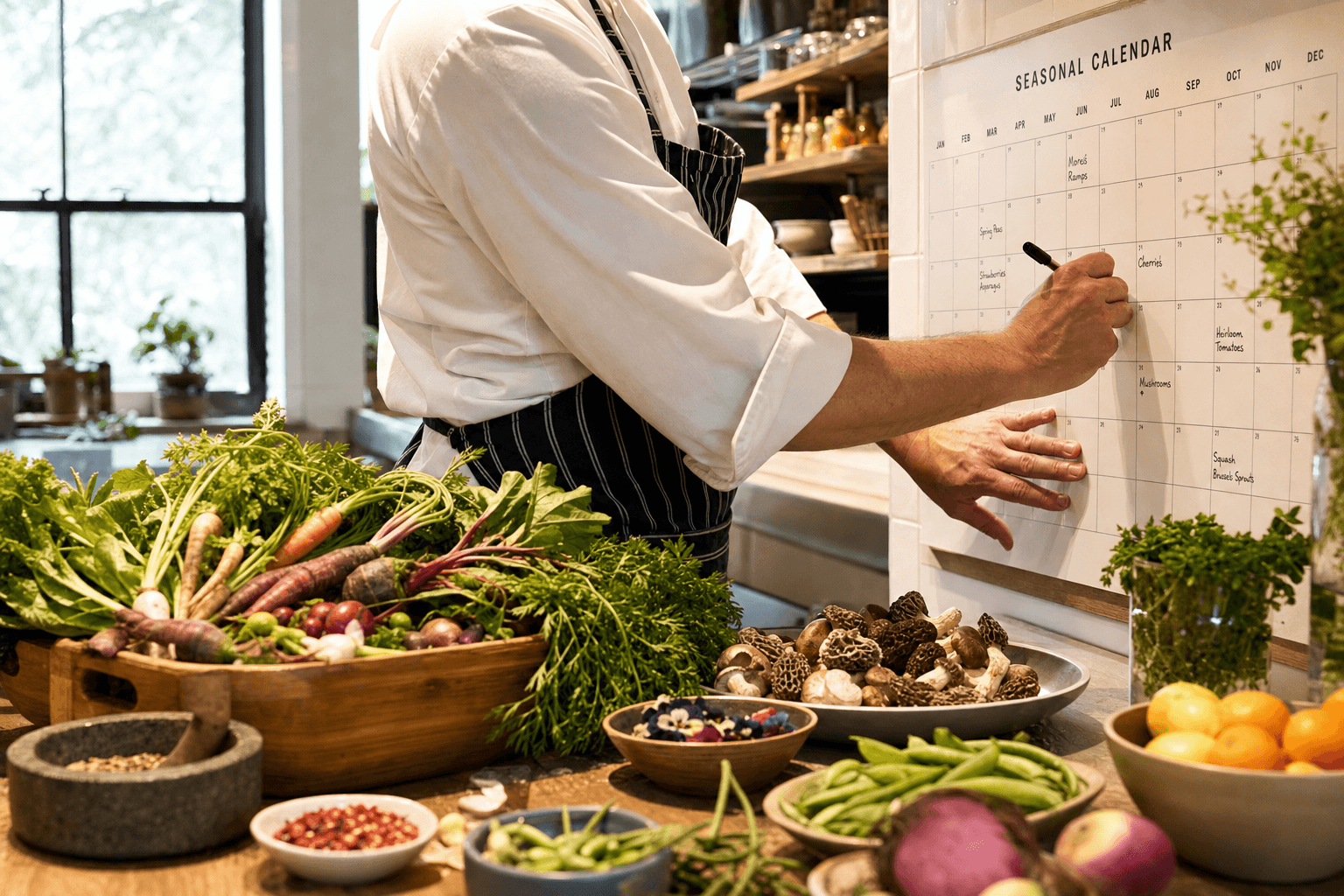
Your regulars already love your food. The question is: what gives them a reason to come back next week instead of trying the new place down the street? A well-designed rotating menu calendar is one of the most reliable answers. It creates anticipation, rewards loyalty, and gives your team a structured way to highlight seasonal ingredients, test new ideas, and generate word-of-mouth — without reinventing your entire operation every few months.
This guide walks you through exactly how to build a rotating menu calendar from scratch, how to communicate it to guests, and how to make updates painless with the right digital tools.
Why Rotating Menus Work
A static menu is comfortable, but comfort breeds invisibility. When guests know your menu by heart, they stop paying attention to it. They order the same thing every visit — which is fine for revenue in the short term, but it means they're not discovering new items, they're not talking about you to friends, and they have no particular reason to come back on a specific date.
A rotating menu changes that dynamic in three concrete ways:
- Scarcity and anticipation. "Only available in October" is more compelling than "available anytime." Limited-time items drive urgency in a way that permanent menu items simply can't.
- Something to talk about. Regulars who know your rotation become ambassadors. They tell friends, "You have to come in this month — they do this incredible short rib special in January."
- Operational benefits. Seasonal ingredients are cheaper when they're in peak supply. A planned rotation lets you buy smarter, reduce waste, and give your kitchen team creative challenges that improve morale.
Types of Rotation to Consider
Not every restaurant needs the same cadence. Before you build your calendar, decide which rotation model fits your kitchen capacity, your customer base, and your brand.
Seasonal Rotation (Quarterly)
Four distinct menus per year aligned to spring, summer, fall, and winter. This is the most common approach for full-service restaurants. It's manageable for staff, gives you enough time to source ingredients, and matches the natural way guests think about food. Each seasonal menu runs roughly 10–13 weeks.
Monthly Specials
Your core menu stays stable, but you add 3–5 featured items each month. This is lower risk — your kitchen doesn't have to learn a whole new menu — but it still gives regulars something new to look forward to. Monthly specials also make excellent social media content and email newsletter material.
Weekly Features
A "dish of the week" or a rotating daily special works well for cafes, casual spots, and restaurants with a chef-driven identity. The cadence is fast, so you need a system to update your menu quickly — more on that below.
Event-Driven Rotation
Some restaurants anchor their rotation around local events, holidays, or cultural moments: a Super Bowl menu, a Valentine's Day prix fixe, a harvest dinner in October. This approach is highly promotable and easy to plan around a standard calendar.
Building Your Annual Calendar
Start with a blank 12-month calendar and work through these steps.
Step 1: Map Your Seasonal Ingredients
Talk to your primary produce and protein suppliers and ask them what peaks when. Build a simple spreadsheet: one column for each month, rows for ingredient categories (greens, root vegetables, stone fruits, seafood, etc.). This becomes the foundation of your rotation — you're not inventing dishes in the abstract, you're building around what's going to be best and most affordable at a given time of year.
Step 2: Anchor to Key Dates
Mark every major holiday, local event, and cultural moment that matters to your customer base. These are your "must-have" rotation moments: Valentine's Day, Mother's Day, Thanksgiving week, New Year's Eve. Plan your featured items and any prix fixe or tasting menus around these anchors first, then fill in the quieter months around them.
Step 3: Identify Your Slow Periods
Every restaurant has them. January is dead for many. Mid-week in summer can be brutal. These are exactly the windows where a compelling new menu item or a themed promotion can move the needle. Build your most creative, attention-grabbing rotations into your slow periods — not just your busy ones.
Step 4: Plan Your Core vs. Rotating Items
Decide which items are permanent anchors (your best-sellers, your signature dishes) and which slots are reserved for rotating features. A good rule of thumb: keep 70–75% of your menu stable and rotate 25–30%. This gives regulars the comfort of their favorites while still offering novelty.
Step 5: Write It Down and Share It With Your Team
A rotating calendar only works if your front-of-house staff know it as well as your kitchen. Create a simple one-page document for each quarter that covers: what's new, what's leaving, key ingredients and sourcing notes, and suggested upsell language. Brief your team before each rotation launches.
Communicating Your Rotation to Guests
A rotating menu that guests don't know about is a missed opportunity. Here's how to build awareness without a marketing budget.
Your Digital Menu Is Your Primary Channel
If your menu lives in a PDF or a static image, updating it for every rotation is a nightmare — and most owners just don't do it. That's why a digital menu that you can update in minutes is foundational to any rotation strategy. When a new seasonal item goes live, it should appear on your menu the same day — not after you've reprinted 200 paper copies.
With a platform like MenuHoster, you can update items, swap out photos, and change descriptions in real time. Your QR code stays the same; the menu behind it simply reflects whatever is current. This means guests scanning your table QR code always see the most accurate version of your menu, including this week's special.
Table Cards and QR Codes
A small table card that says "Ask about our October harvest menu — scan to see what's new" does two things: it prompts guests to scan your QR code and it signals that your menu is dynamic and worth paying attention to. If you're still handing out static printed menus, consider converting your PDF menu to a QR code menu so updates are instant and printing costs disappear.
Email and SMS
Your email list is your most direct line to regulars. A short monthly email — "Here's what's new this month" with a photo of the featured dish — takes 20 minutes to write and reliably drives visits. Keep it short. One image, two sentences of description, one clear call to action ("Reserve a table" or "Come try it this week").
Social Media Teasers
Post a "coming soon" teaser 3–5 days before a new rotation launches. A photo of a key ingredient, a behind-the-scenes prep shot, or a short video of the dish being plated all perform well. The goal is to create a small moment of anticipation among your followers before the item is even available.
Server Storytelling
Train your servers to mention the rotation unprompted. "We just launched our fall menu this week — the butternut squash risotto is really popular right now" is more effective than any Instagram post. Give your team two or three specific things to say about each new featured item: where the main ingredient comes from, what makes it special this time of year, what it pairs well with.
Keeping Updates Manageable
The biggest reason restaurant owners abandon their rotation plans is operational friction. If updating your menu requires calling your web developer, waiting for a designer to redo your PDF, or reprinting physical menus, you'll skip updates — and the whole system falls apart.
The solution is to build your menu infrastructure around tools that make updates fast and independent. An online menu maker that lets you log in, edit an item, and publish in under five minutes removes the friction entirely. You don't need technical skills. You don't need to wait on anyone.
A few practical habits that help:
- Batch your updates. Set aside 30 minutes at the start of each month to update your digital menu, draft your email, and schedule your social posts. Doing it all at once is faster than doing it piecemeal.
- Use a template. A consistent format for your specials (name, 2-line description, price, photo) means you're not starting from scratch every time.
- Photograph new dishes immediately. As soon as a new item is plated during testing, take a photo. You'll need it for your menu, your email, and your social posts. Don't wait until launch day.
- Keep a rotation log. A simple spreadsheet tracking which items you ran, when, and how they sold gives you data to make better decisions next year. What sold out in week one? What lingered? This is your most valuable planning resource.
Using Your Rotation to Reward Regulars
A rotating menu is inherently a loyalty tool — but you can make it more explicit. A few tactics that work well:
Early Access
Email your regulars 24 hours before a new seasonal menu launches. "You're among the first to know — our winter menu goes live tomorrow." This makes loyal guests feel valued and often drives a wave of reservations right at launch.
Bring-Back Requests
Ask guests to vote on which retired items they'd most like to see return. A simple Instagram poll or a question on your email list takes two minutes to set up and generates genuine engagement. When you do bring a fan-favorite back for a limited run, it's a story worth telling.
Pairing Suggestions
Seasonal menus are an ideal moment to highlight wine, beer, or cocktail pairings. A suggested pairing next to each featured item on your restaurant menu increases average check size and gives knowledgeable guests something to talk about.
Behind-the-Scenes Content
Share the story of how a seasonal dish came together — the farm you sourced the ingredient from, the inspiration behind the recipe, how many test batches it took. Regulars who feel connected to your kitchen become advocates, not just customers.
Measuring Whether It's Working
A rotating calendar is only worth the effort if it's actually driving repeat visits and revenue. Track these metrics:
- Rotation item sales as a percentage of total covers. If your featured items are barely selling, they may not be compelling enough — or your staff isn't mentioning them.
- Repeat visit frequency. Are your regulars coming in more often since you started the rotation? Even a rough count of familiar faces is useful data.
- Email open and click rates. If your "new this month" emails have high open rates, your rotation is creating genuine interest. Low open rates suggest the subject lines or content need work.
- Social engagement on rotation posts. Comments like "I need to come try this" are a leading indicator of upcoming visits.
- Reservation patterns. Are you seeing a spike in bookings in the first week of each new rotation? That's the anticipation effect working.
If you're also taking online orders, your order data is a goldmine. Which rotation items got ordered most? Which ones were ignored? Use that to inform your planning for the same season next year. For a deeper look at this, see our guide on how to use online ordering data to make smarter menu and marketing decisions.
Frequently Asked Questions
How often should a small restaurant rotate its menu?
For most independent restaurants, a quarterly seasonal rotation with monthly featured specials is the right balance. It gives you enough variety to keep regulars engaged without overwhelming your kitchen or requiring constant reprinting and retraining. If you have a very small team, start with monthly specials only and add a full seasonal rotation once you have the system down.
Won't regulars be upset if their favorite dish is removed?
Some will mention it — and that's actually a good thing. It means they care. The key is to keep your most popular permanent items on the menu and rotate around them. You can also bring fan favorites back as limited-run specials, which creates its own excitement. Communicating changes clearly ("Our summer menu launches June 1 — get the lamb shank while you can") softens the transition.
How do I update my menu quickly when a rotation changes?
The answer is a digital menu platform that you control directly. With MenuHoster, you can log in from any device, edit your menu items, swap photos, and publish changes in minutes — no developer, no designer, no reprinting. Your QR codes always point to the live version, so guests always see what's current.
Do I need a professional photographer for rotation item photos?
Not necessarily. A modern smartphone with good natural light produces photos that are more than adequate for a digital menu and social posts. The most important things are good lighting (natural side light is ideal), a clean background, and shooting the dish when it's freshly plated. Consistency matters more than perfection — a uniform style across your menu looks more professional than a mix of polished and amateur shots.
How far in advance should I plan my rotation calendar?
Ideally, plan your full year in broad strokes at the start of January, then finalize each quarter's specific dishes 6–8 weeks before launch. This gives you time to source ingredients, test recipes, train staff, and build marketing content without scrambling. The annual overview doesn't need to be detailed — just key dates, themes, and ingredient anchors for each season.
Ready to make menu updates effortless? See MenuHoster's pricing and start building a digital menu you can update in minutes — so your rotating calendar actually stays current, your regulars always have something new to look forward to, and you never have to reprint a menu again. Browse our menu templates to get started today.
MenuHoster Team
Helping restaurants go digital