How to Structure a Prix Fixe Menu to Maximize Perceived Value
Updated:
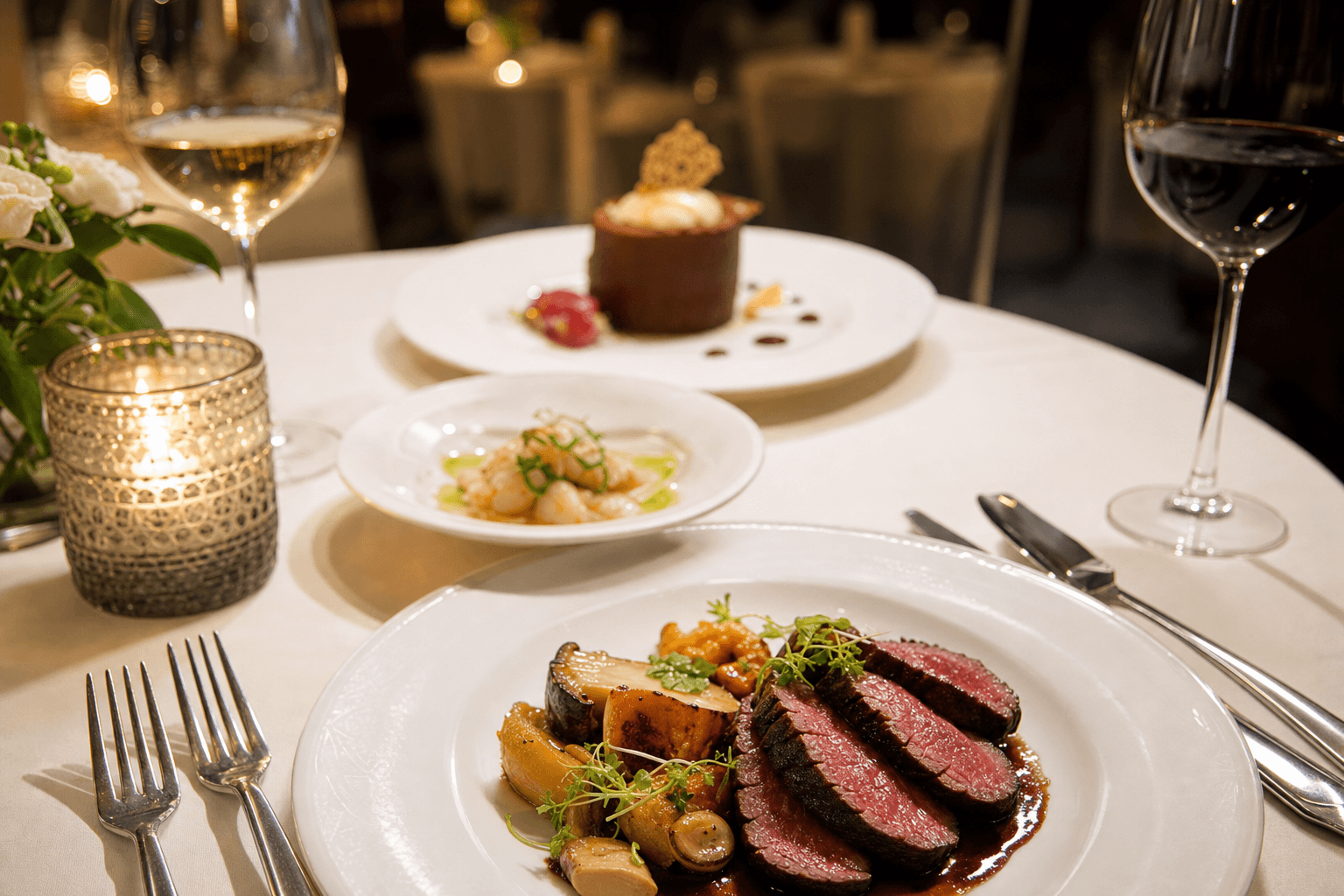
A prix fixe menu — a fixed set of courses at a single price — is one of the most powerful tools an independent restaurant has. Done well, it simplifies ordering, raises the average check, reduces food waste, and creates an experience guests remember. Done poorly, it feels like a trap: limited choice, inflated price, lukewarm execution.
The difference between those two outcomes almost always comes down to structure. How you sequence the courses, what you include, how you price it, and how you present it on paper or screen all shape whether a guest thinks "what a great deal" or "I could have ordered à la carte for less." This guide breaks down every structural decision so you can build a prix fixe that works for your kitchen and your guests.
Why Prix Fixe Works (When It's Built Right)
Before getting into tactics, it helps to understand the psychology at play. Guests evaluate a prix fixe differently from a standard menu. Instead of comparing individual dish prices, they compare a single number against a felt experience. That shift in framing is the core opportunity.
- Anchoring: When a guest sees "3 courses for $58," they naturally calculate what those dishes would cost à la carte. If the math feels favorable — even slightly — they perceive value.
- Decision simplicity: Fewer choices reduce cognitive load. Guests who feel less overwhelmed enjoy their meal more, tip better, and return more often.
- Commitment effect: Paying upfront (or committing to a set menu) increases enjoyment. Guests are invested in the experience before the first bite.
- Kitchen efficiency: A tighter menu means faster prep, less waste, and more consistent execution — all of which improve the actual quality of what lands on the table.
None of these benefits are automatic. They depend on making the right structural choices, starting with course count.
Choosing the Right Course Count
The most common prix fixe formats are three courses, four courses, and five-plus (tasting menu territory). Each has a different value proposition.
Three Courses: The Workhorse
Starter, main, dessert. This is the format most guests are comfortable with, and it works across a wide range of restaurant styles — from neighborhood bistros to upscale casual. Three courses hits a sweet spot: it feels complete without being exhausting, and it's easy to price accessibly. If you're launching your first prix fixe, start here.
Four Courses: Adding a Middle Beat
Adding a soup, salad, intermezzo, or cheese course between the starter and main creates a natural pacing upgrade. Four courses signals "special occasion" without the intimidation of a full tasting menu. It also gives your kitchen an additional plate to showcase technique or seasonal ingredients.
Five or More Courses: Tasting Menu Logic
At five or more courses, you're in tasting menu territory. The rules change. Portions shrink, pacing becomes critical, and the narrative arc of the meal matters more than any single dish. This format requires a kitchen that can execute consistently under that kind of volume and a front-of-house team that can guide guests through it. It's not for everyone — but when it fits, it commands serious price premiums.
Practical rule: Match your course count to your kitchen's realistic throughput on a busy Saturday night. A menu you can't execute consistently will destroy perceived value faster than any pricing mistake.
Building the Course Structure: What Goes Where
The sequence of a prix fixe menu is a narrative. Each course sets up the next. Here's how to think about each position.
The First Course: Set the Tone, Don't Exhaust
The opener should be light, bright, and confident. Its job is to signal what kind of meal this is going to be — not to fill the guest up. Acid, freshness, and texture work well here. A heavy, rich first course is a pacing mistake that will make the rest of the meal feel like a slog.
Give guests 2–3 choices at this position. Enough variety to accommodate dietary preferences, not so many that the simplicity advantage of prix fixe is lost.
The Main Course: The Anchor
This is where your best protein or signature preparation lives. The main course is the dish guests will describe to friends, so it needs to be genuinely excellent. It's also the course with the highest food cost, which matters for your pricing math (more on that below).
Offer 3–4 options here: typically one beef or lamb, one poultry, one fish, and one vegetarian. This covers the most common dietary preferences without ballooning your prep list.
The Dessert Course: Close Strong
Dessert is the last impression. It's what guests remember as they walk out the door. Don't treat it as an afterthought or a cost center. A dessert that genuinely delights — even something simple executed perfectly — cements the perception that the whole meal was worth it.
Two or three options is plenty: one chocolate-forward, one fruit or lighter option, and optionally a cheese plate for guests who don't want something sweet.
Optional Add-Ons: The Upsell Layer
Consider offering optional supplements — a wine pairing, an amuse-bouche, a premium protein upgrade (e.g., adding foie gras or truffle) — that sit outside the fixed price. These let guests customize their experience upward without breaking the simplicity of the core offering. Just don't make supplements feel like the "real" menu hiding behind a stripped-down base.
Pricing Strategy: The Math and the Psychology
Pricing a prix fixe is partly arithmetic and partly psychology. You need to satisfy both.
The Cost-Based Floor
Add up the food cost of your most expensive combination of choices (worst-case scenario for the kitchen). That total food cost should represent no more than 28–32% of your prix fixe price. If your most expensive three-course combination costs $17 in food, your floor price is around $53–$61.
The Perceived Value Ceiling
Now look at what those same dishes would cost à la carte. If the starter is $14, the main is $34, and the dessert is $12, the à la carte total is $60. Your prix fixe should come in at or slightly below that number — typically 5–15% less. In this example, $54–$57 signals clear value without leaving money on the table.
The gap between the à la carte total and the prix fixe price is your "gift" to the guest. Make it visible. On your menu, consider listing what the courses would cost individually so guests can do the math themselves. Transparency here builds trust and reinforces the value perception.
Psychological Pricing
Round numbers ($55, $65, $75) read as confident and premium. Charm pricing ($54.99) undermines the elevated feel most prix fixe menus aim for. Stick to round numbers or simple halves ($57.50 works; $56.95 doesn't).
Writing Descriptions That Justify the Price
Every dish description on a prix fixe menu carries more weight than on a standard à la carte menu, because guests are committing to a package — they can't just skip a course that doesn't appeal to them. Your descriptions need to make every option sound genuinely appealing, even to guests who wouldn't normally order it.
- Lead with the most interesting element, not the protein. "Seared duck breast" is generic. "Duck breast with fermented black cherry and toasted hazelnuts" creates a picture.
- Use sourcing and provenance selectively. "Local farm" and "house-made" add credibility when they're true and specific. Vague claims ("the finest ingredients") add nothing.
- Keep it short. Two to three lines per dish. Guests are reading to decide, not to be entertained.
- Flag allergens clearly. On a prix fixe, guests need to know upfront if a course contains nuts, shellfish, or gluten. Don't make them ask.
For a deeper look at writing descriptions that actually move guests toward a yes, see our guide on building a restaurant menu that converts.
Presenting Your Prix Fixe Digitally
How you display a prix fixe menu matters as much as what's in it. A poorly formatted menu — whether on paper or screen — makes even great food look ordinary.
Structure the Layout by Course, Not by Category
Label each section clearly: "First Course," "Main Course," "Dessert." Use visual hierarchy — slightly larger or bolder headers — so guests can scan the menu quickly and understand the structure at a glance. Don't bury the price; put it prominently at the top or bottom of the menu where it anchors the whole experience.
Use a Digital Menu for Easy Updates
One of the biggest operational advantages of a prix fixe is that it changes seasonally or even weekly. That only works if you can update it quickly. A digital menu lets you swap dishes, adjust prices, and add notes in minutes — no reprinting, no crossed-out items, no outdated PDFs floating around on tables.
Guests who scan a QR code at the table and see a clean, current menu trust the restaurant more. It signals that the kitchen is engaged and that what they're reading is actually what's available tonight.
Mobile-First Formatting
Most guests will view your menu on a phone. That means short paragraphs, enough white space between courses, and a font size that doesn't require zooming. Test your menu on an actual phone before you go live. If you're building or updating your menu, the MenuHoster online menu maker is designed with mobile readability built in from the start.
Photography: Use It Sparingly
On a prix fixe menu, one or two strong hero images are more effective than a photo for every dish. Too many images make the menu feel casual and cluttered — at odds with the elevated experience a prix fixe is supposed to deliver. If you use photos, make sure they're professionally lit and genuinely representative of what arrives at the table.
When to Run a Prix Fixe (and When Not To)
Prix fixe menus work best in specific contexts. Knowing when to deploy them — and when to pull back — is part of structuring them well.
High-Value Occasions
Valentine's Day, New Year's Eve, Mother's Day, and local festival weekends are natural prix fixe moments. Guests are already in "special occasion" mode and expect a structured experience. A well-executed prix fixe on these nights can double your normal revenue per cover.
Shoulder Hours and Slow Nights
A prix fixe can also work as a value driver on slow nights — a Tuesday "date night" menu at a lower price point that gives guests a reason to come in when they otherwise wouldn't. This works best when the price is genuinely compelling and the menu is designed to be fast to execute.
When Not to Use It
Don't run a prix fixe if your kitchen can't handle the volume consistently, if your guest mix skews heavily toward casual drop-ins who want flexibility, or if the price point you need to charge doesn't feel justified by the experience you can deliver. A prix fixe that disappoints is worse than no prix fixe at all.
Promoting Your Prix Fixe Before and During Service
A great prix fixe that no one knows about is a missed opportunity. Build promotion into your launch plan.
- Update your digital menu first. Before you post on social media, make sure the menu is live and accurate online. Guests who click through from Instagram expect to find the details immediately.
- Use your QR code table tents. If guests are already seated with a standard menu, a small card or insert pointing to the prix fixe option can drive significant uptake. This pairs well with a server recommendation.
- Email your regulars. A short, specific email — "This Friday and Saturday, we're offering a 3-course spring menu for $62" — outperforms any social post for driving reservations from existing customers.
- Post the menu, not just the price. On social media, share the actual dishes. "Pan-seared halibut, spring pea risotto, lemon tart" is more compelling than "3 courses for $62."
If you're thinking about how to use your digital menu as a broader marketing tool, our guide on creating a one-page menu that covers everything guests need has practical advice on layout and content hierarchy that applies directly to prix fixe presentation.
Measuring Whether Your Prix Fixe Is Working
After each prix fixe service, review three numbers:
- Attachment rate: What percentage of covers ordered the prix fixe versus à la carte? Below 30% suggests the price or menu isn't compelling enough. Above 70% suggests you may be able to raise the price.
- Food cost percentage: Were actual food costs in line with your projections? If not, which course is the problem?
- Guest feedback: What did servers hear at the table? What did guests comment on online? Specific feedback on pacing, portion size, or value perception is more useful than aggregate star ratings.
Adjust after every run. A prix fixe menu is not a set-and-forget product. The best ones evolve with the season, the kitchen's strengths, and what guests actually respond to.
Frequently Asked Questions
How many choices should I offer per course on a prix fixe menu?
Two to four options per course is the standard range. For a first course, two or three is enough. For the main, three to four covers the most common dietary preferences (meat, poultry, fish, vegetarian) without overwhelming guests or overcomplicating your prep list. More than four options per course starts to erode the simplicity advantage of a prix fixe format.
Should my prix fixe be the only option, or run alongside à la carte?
Both models work, but they send different signals. A prix fixe-only service (common on special event nights) creates a more controlled, elevated experience and simplifies kitchen operations significantly. Running prix fixe alongside à la carte gives guests flexibility but can complicate service and dilute the "special" feeling. For your first few runs, offering both is lower risk — you can gauge uptake before committing to prix fixe only.
How do I handle dietary restrictions on a prix fixe menu?
Build flexibility in at the point of sale, not on the menu itself. Train servers to note restrictions when taking the order and flag them to the kitchen. Offer at least one vegetarian option per course. For guests with serious allergies, a direct conversation with the kitchen is always better than a blanket substitution policy. On your digital menu, mark dishes that are gluten-free, dairy-free, or nut-free so guests can self-identify before ordering.
What's a reasonable food cost target for a prix fixe menu?
Aim for 28–32% food cost across the menu as a whole. Because you control the combinations more tightly than on an à la carte menu, you can engineer this more precisely. Build your menu around dishes where your highest-cost item (usually the main protein) is offset by lower-cost first and dessert courses. A beautifully executed vegetable starter and a house-made dessert can carry significant margin while still feeling generous to the guest.
How often should I change my prix fixe menu?
Seasonally at minimum — four times a year — to keep it relevant and to take advantage of ingredient pricing. Many restaurants that run prix fixe regularly update it monthly or even weekly. The key is making updates fast and frictionless. With a digital menu, you can change a dish description or swap a course in under five minutes, which makes frequent updates realistic even for a small team.
Ready to build a prix fixe menu that looks as good as it tastes? MenuHoster's online menu maker gives you clean, mobile-ready templates designed for exactly this kind of structured, multi-course presentation. Update your menu in minutes, share it via QR code, and give every guest a first impression that matches the quality of your kitchen. See our pricing and get started today — no design skills required.
MenuHoster Team
Helping restaurants go digital