How to Write an Irresistible Tagline for Your Restaurant or Cafe Website
Updated:
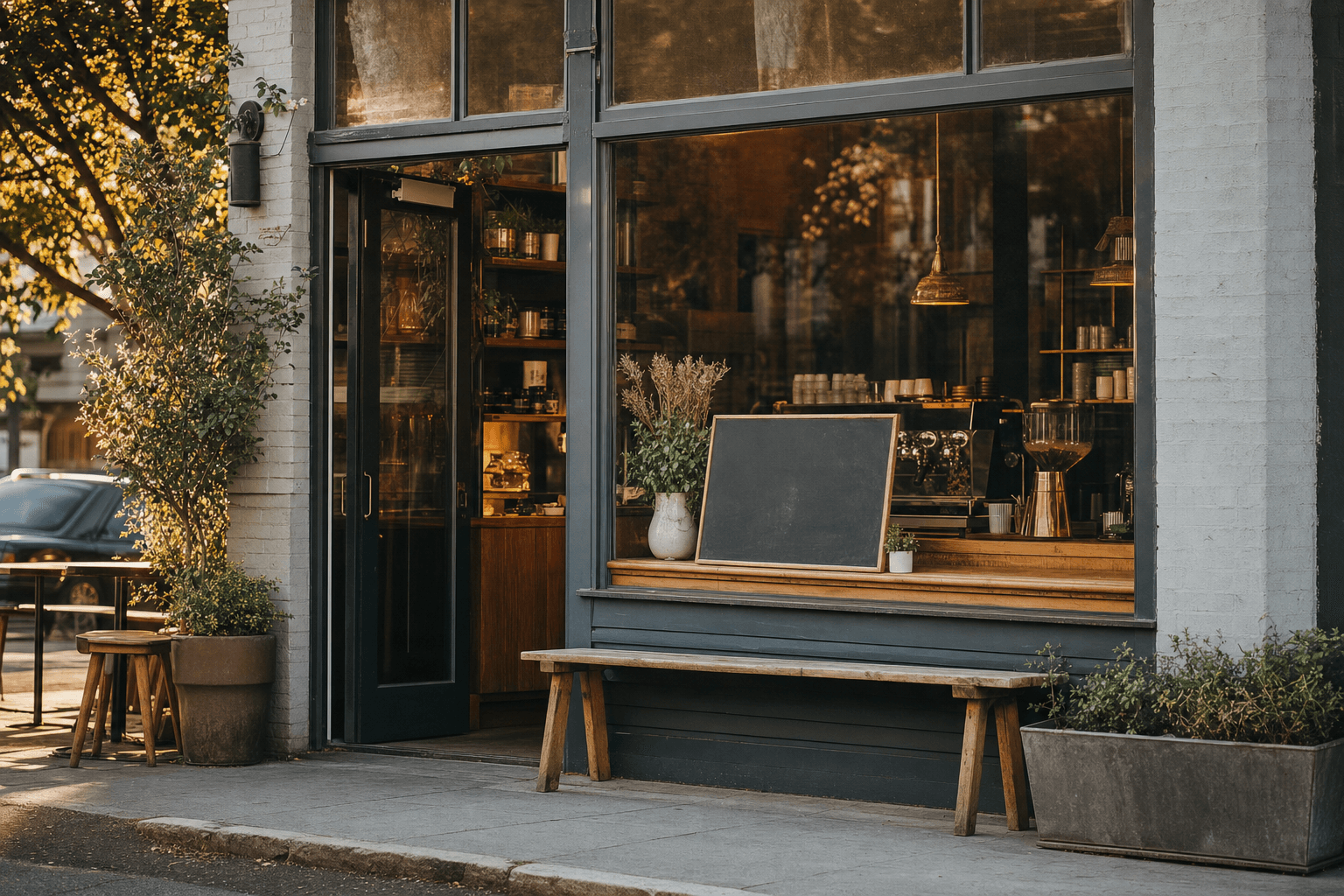
Your restaurant or cafe website has about three seconds to convince a stranger to stay. In that window, they'll see your hero image, scan a headline, and either lean in or bounce. A great tagline is the thing that tips the scale. It's a single sentence — sometimes just a handful of words — that communicates who you are, what makes you different, and why someone should care.
Most restaurant taglines are forgettable. "Quality food, great service." "Where every meal is a memory." These lines say nothing. They could belong to any of ten thousand restaurants in any city in the world. The goal of this guide is to help you write something that actually sounds like you — and actually works.
What a Tagline Actually Does
Before writing a single word, it helps to understand what a tagline is supposed to accomplish on a restaurant website. It isn't just decoration. A well-crafted tagline does three jobs simultaneously:
- Positions your brand. It tells visitors immediately what kind of place you are — casual or upscale, neighborhood staple or destination dining, quick lunch or slow Sunday brunch.
- Creates an emotional hook. People choose restaurants based on how they expect to feel. Your tagline should evoke that feeling before they've read another word.
- Differentiates you from competitors. If your tagline could appear on a competitor's website without anyone noticing, it's not doing its job.
Think of it less like a slogan and more like a first impression at a dinner party. You want it to be specific, memorable, and genuinely reflective of who you are.
Start With Your Actual Differentiator
The most common mistake restaurant owners make when writing a tagline is starting with words instead of starting with truth. Before you open a blank document, answer these questions honestly:
- Why do your regulars keep coming back? (Ask them if you're not sure.)
- What's the one thing you do that no one nearby does as well?
- If a loyal customer described your place to a friend in one sentence, what would they say?
- What feeling do people leave with after a great visit?
Write down every answer without filtering. You're not writing a tagline yet — you're mining for raw material. The real differentiator is usually buried in one of these answers. It might be that you source everything from farms within 50 miles. It might be that you've been open since 1987 and half your customers grew up eating your food. It might be that you're the only place in town open at 7 a.m. that also has great espresso.
Whatever it is, that's your starting point. Not "quality ingredients." Not "a warm atmosphere." The specific, true thing that belongs only to you.
The Four Tagline Formulas That Work
There's no single template for a great tagline, but most effective ones fall into one of four patterns. Use these as frameworks, not fill-in-the-blank scripts.
1. The Sensory Promise
This formula leads with a feeling or a physical experience. It works especially well for cafes, bakeries, and comfort food spots where atmosphere is part of the product.
Examples of the form: "Slow coffee for fast mornings." / "The smell of Sunday, any day of the week." / "Where the bread is always warm."
The key is specificity. "Great coffee in a cozy space" is generic. "Your third place, two blocks from the office" is specific and evocative.
2. The Bold Claim
This formula makes a direct, confident statement about what you do best. It works for restaurants with a clear specialty or a strong point of view about their food.
Examples of the form: "The best banh mi north of Saigon." / "Tacos worth the detour." / "We take pizza seriously so you don't have to."
The risk with bold claims is sounding arrogant. The fix is to add a self-aware twist or a specific qualifier that makes it feel earned rather than boastful.
3. The Invitation
This formula speaks directly to the customer and tells them what to expect when they walk through the door. It's warm, welcoming, and works well for neighborhood spots and family restaurants.
Examples of the form: "Pull up a chair. You're family now." / "Bring your appetite and someone worth talking to." / "Come hungry. Leave happy. Come back soon."
Invitation taglines are conversational by design. They should sound like something a real person would say, not a marketing committee.
4. The Origin Story Compression
This formula distills your backstory or philosophy into a single line. It works well when your history, heritage, or founding story is genuinely interesting and relevant.
Examples of the form: "Three generations of Sunday gravy." / "Farm to table since before it was a trend." / "Started in a food truck. Stayed for the neighborhood."
This approach builds instant credibility and creates curiosity. If your story is compelling, compress it into a line that makes people want to hear the rest.
What to Avoid
Knowing what not to write is just as useful as knowing what to write. Here are the patterns that consistently produce forgettable taglines:
- Abstract quality claims. "Exceptional quality." "Uncompromising freshness." These are promises every restaurant makes and no one believes without proof. Show, don't tell.
- Rhymes that feel forced. A tagline that rhymes can be memorable — but only if the rhyme feels natural. If you're straining to make it work, it will read as corny.
- Puns that confuse. Wordplay can be charming, but only if the meaning is immediately clear. If someone has to read it twice to get it, you've lost them.
- Trying to say everything. "Fresh ingredients, great service, family atmosphere, affordable prices." This is a list of features, not a tagline. Pick one thing and say it well.
- Copying competitors. If you've seen a similar line on another restaurant's website, cross it off your list immediately.
Testing Your Tagline Before You Publish
Once you have two or three candidates, don't just pick your favorite. Test them. Here's a practical process:
- The stranger test. Read your tagline to someone who has never visited your restaurant. Ask them: "What kind of place does this sound like? What would you expect when you walked in?" If their answer matches your reality, you're on the right track.
- The competitor swap test. Put your tagline on a competitor's website in your head. Does it still make sense? If yes, it's too generic. If it would feel wrong on their site, it's specific enough.
- The read-aloud test. Say it out loud. Does it sound like something a real person would say? Or does it sound like a press release? Great taglines pass the read-aloud test easily.
- The Google test. Search your tagline in quotes. If it's already in use by another restaurant — anywhere — go back to the drawing board.
If you have a loyal customer base, consider asking a handful of regulars which version resonates most. They know your brand from the inside, and their instincts are often better than a focus group.
Where Your Tagline Lives on Your Website
A tagline isn't just a website element — it should be consistent across every touchpoint. But on your website, placement matters enormously. Here's where it works hardest:
Hero Section
This is the primary home for your tagline. It should appear directly below or alongside your restaurant name in the hero section of your homepage — typically layered over a strong food or atmosphere photo. Keep it short enough to read in a glance: five to twelve words is the sweet spot.
Above the Fold on Your Menu Page
When visitors navigate to your digital menu, a short tagline or brand line at the top reinforces your identity before they start browsing. It sets the tone for how they read every item below it.
Meta Description and Browser Tab
Your tagline (or a version of it) can anchor your homepage meta description. Search engines display this text in results, so it's one of the first things a potential customer reads before they even visit your site. Make it work double duty.
QR Code Landing Pages
If you're using a QR code menu at your tables or on printed materials, the landing page your guests see is a brand moment. A tagline at the top of that page reinforces the experience before they start scrolling through your offerings.
Evolving Your Tagline Over Time
A tagline isn't forever — but it also shouldn't change every season. The goal is something stable enough to build brand recognition over years, while remaining honest as your business evolves. A few guidelines:
- If your core identity changes — new concept, major rebrand, new ownership — revisit your tagline. It should reflect who you are now, not who you were.
- If you expand or add new offerings, make sure your tagline still holds true. A tagline built entirely around "the best burgers in town" becomes a liability if you pivot to a full Italian menu.
- Seasonal variations are fine for promotions, but your primary tagline should stay consistent. Consistency is what builds recognition.
When you do update your tagline, update it everywhere simultaneously: your website, your online menu, your social profiles, your Google Business Profile, and any printed materials. A fragmented brand is worse than no brand at all.
Putting It All Together
Here's a simple process you can complete in an afternoon:
- Answer the four discovery questions honestly and write down everything.
- Identify your single strongest differentiator.
- Write five to ten raw tagline drafts using the four formulas above — don't filter yet.
- Cut anything that could belong to a competitor.
- Run the remaining candidates through the four tests.
- Pick the strongest one, place it in your hero section, and get real-world feedback from regulars.
- Commit to it for at least six months before reconsidering.
The entire process doesn't require a copywriter or a branding agency. It requires honesty about what makes your place worth visiting, and the discipline to say it simply. Your website design — including your menu template and layout — can be polished and professional, but if the words at the top of the page are generic, visitors won't feel anything. The tagline is the first sentence of the story you're telling them. Make it count.
Frequently Asked Questions
How long should a restaurant tagline be?
Aim for five to twelve words. Short enough to read in a glance, long enough to communicate something meaningful. If you can't say it in under fifteen words, it's a sentence, not a tagline. Cut until only the essential idea remains.
Should my tagline include the type of cuisine I serve?
Not necessarily. If your cuisine is your primary differentiator — say, you're the only Peruvian restaurant in your city — then yes, naming it can be powerful. But if there are many similar restaurants nearby, your tagline will work harder if it communicates something beyond category: your atmosphere, your story, your values, or your specific promise to the guest.
Can I use humor in my restaurant tagline?
Absolutely — if humor is genuine to your brand. A playful, irreverent tagline works beautifully for casual spots, burger joints, and quirky cafes. It falls flat for fine dining or restaurants with a serious culinary identity. Match the tone of your tagline to the experience you actually deliver. Forced humor is worse than no humor at all.
Do I need a different tagline for my website versus my social media?
Your core tagline should be consistent everywhere — that consistency is what builds brand recognition. However, you can adapt the tone slightly for different platforms. On Instagram, a more casual or playful version might feel natural. On your website hero section, you want something that immediately communicates value and identity to a first-time visitor. Think of it as one tagline with slight contextual variations, not multiple competing messages.
What if I'm just starting out and don't have a clear brand identity yet?
Start with your intention. Why are you opening this place? What do you want people to feel when they leave? Write a tagline that reflects your aspiration and refine it as your identity becomes clearer through real customer interactions. A directional tagline is better than a placeholder — just be prepared to revisit it after your first six months of operation when you have real feedback to work with.
Ready to put your tagline to work? MenuHoster makes it easy to build a clean, branded web presence for your restaurant or cafe — complete with a digital menu, QR code ordering, and a homepage that puts your best face forward. See our plans and get your restaurant online in minutes, tagline and all.
MenuHoster Team
Helping restaurants go digital