Event-Based Marketing for Restaurants: How to Host Nights That Fill Seats on Slow Days
Updated:
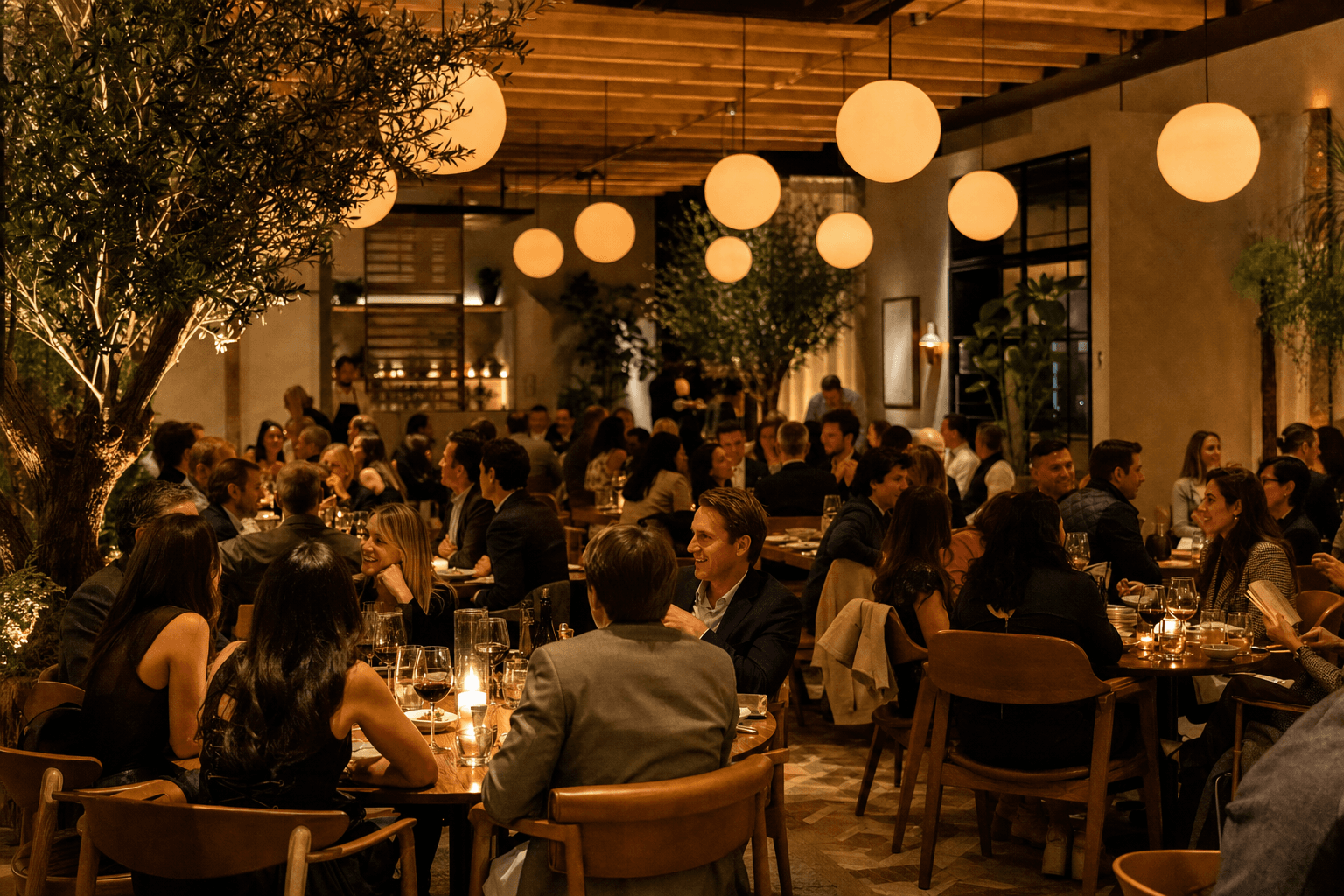
Monday nights. Early Tuesday. The dead zone between 2 p.m. and 5 p.m. Every independent restaurant has its slow spots, and they're expensive. You're paying rent, labor, and utilities whether those seats are full or empty. Discounting your way out of the problem is a trap — it trains customers to wait for deals and erodes your margins. Event-based marketing is the smarter alternative.
A well-executed event turns a slow night into a destination. It gives people a reason to come out that has nothing to do with a coupon. It builds community, generates social content, and — done right — becomes a recurring revenue stream that customers plan their week around. This guide breaks down how to make it work, practically and profitably, without a marketing budget or a dedicated events team.
Why Events Work Where Discounts Fail
Discounts answer the question: "Why should I spend less here?" Events answer a completely different question: "Why should I go out tonight?" That's a much more powerful pitch.
When someone comes to your trivia night or your wine-pairing dinner, they're not there because it was cheap. They're there because it was worth their time. That distinction matters for your brand. It also matters for your check average — event guests tend to drink more, stay longer, and tip better than discount-hunters.
There's also a compounding effect. A regular Tuesday trivia night builds a habit. Regulars bring new people. New people become regulars. The event becomes part of the neighborhood's social calendar, and your restaurant becomes the venue — which is a much better position than "the place with the deal."
Identify Your Slow Windows First
Before you plan a single event, know exactly which nights and dayparts need help. Pull your POS data and look at covers and revenue by day of week and hour. You're looking for two things:
- Consistently slow nights — these are your event targets.
- Nights that are slow but not dead — these are easier wins than nights with zero foot traffic.
If you're already using a digital menu with scan or order data, you may also be able to see which items move on slow nights versus busy ones — useful for designing event menus that are both appealing and operationally easy to execute with a lighter crew.
Don't try to fix every slow window at once. Pick one night, run it consistently for 60–90 days, and measure. Then expand.
Event Formats That Actually Work
Not every event format fits every restaurant. Here's a breakdown of the most reliable options, what they require, and who they work for.
Trivia Nights
Trivia is the workhorse of slow-night events. It's low-cost, repeatable, and draws groups — which means larger tables and higher checks. You can hire a trivia host for $100–$200 per night or use a free app-based platform and run it yourself. Teams of four to six people mean you're filling tables efficiently. The key is consistency: same night, same time, every week. Within a month, you'll have regulars.
Wine, Beer, or Cocktail Tastings
A structured tasting — four pours with brief descriptions — turns a slow Tuesday into an experience worth $35–$50 per person. Partner with a local distributor or wine rep; they'll often provide the product at cost or free in exchange for exposure. Pair it with a small plates menu and you've got a complete evening with strong margins. Limit seats to create scarcity and drive advance sign-ups.
Chef's Table or Tasting Menu Nights
If you have a chef with a personality and a kitchen that can handle it, a monthly chef's table event can become your most profitable night of the month. Six to twelve guests, a fixed price, a curated menu. It sells the story of your food, not just the food itself. Charge accordingly — $65–$120 per person is reasonable depending on your market.
Live Music (Low-Key)
A solo acoustic performer or a jazz duo costs $150–$300 and transforms the atmosphere without overwhelming conversation. Avoid high-volume acts unless you're a bar-forward concept. The goal is ambiance that makes people want to stay for another round, not a concert that drives diners out early.
Community or Interest-Based Nights
Book clubs, painting nights (partner with a local art instructor), board game nights, speed friending events — these tap into existing communities looking for a venue. You provide the space and the food; they bring the crowd. Reach out to local Meetup groups, Facebook groups, or community organizations. Many are actively looking for a home base.
Industry Nights
A late-night menu for restaurant workers — after 10 p.m. on Sundays or Mondays — builds goodwill in the hospitality community and fills a time slot that's otherwise dead. Industry folks are loyal, they tip well, and they recommend places to their own customers.
Pricing and Structure: Don't Leave Money on the Table
How you price and structure your event determines whether it's profitable or just busy.
- Ticketed vs. free entry: A small ticket price ($5–$15) filters out no-shows and covers your fixed costs. It also signals value. Free events get more sign-ups but worse attendance. For recurring events like trivia, free entry with a minimum spend requirement is a reasonable middle ground.
- Fixed menus vs. à la carte: For tasting events, a fixed menu is operationally cleaner and protects your margins. For trivia nights, à la carte is fine — the event drives the spend naturally.
- Deposits for large groups: If you're hosting a private event or a chef's table, take a deposit. Non-refundable deposits of 25–50% protect you from last-minute cancellations that leave you with prepped food and no revenue.
- Upsell opportunities: Build in natural upsells — a wine pairing add-on, a dessert course, a cocktail flight. These are easier sells in an event context where guests are already in a "treat yourself" mindset.
Promoting Your Events Without a Marketing Budget
You don't need to spend money on ads to fill a 40-seat dining room. You need to reach the right 60 people (accounting for no-shows) in your immediate neighborhood.
Your Existing Customers First
The easiest people to sell an event to are people who already like you. If you have an email list or SMS list, use it. A simple message — "We're starting trivia nights every Tuesday. First one is this week. Reply to grab a table." — is enough. If you don't have a list yet, start building one now. Every online order, every QR menu scan, every reservation is an opportunity to capture an email.
Social Media: Show, Don't Just Tell
Post a short video of your space being set up for the event. Show the prizes for trivia. Show the wine bottles lined up for the tasting. Behind-the-scenes content consistently outperforms polished graphics for independent restaurants. Post it as a Story and a Reel, not just a feed post. Tag the location. Use local hashtags.
Nextdoor and Local Facebook Groups
These are underused and highly effective for neighborhood restaurants. A genuine post in a local Facebook group — "We're hosting our first trivia night this Tuesday, spots are limited, come check it out" — will outperform a boosted Instagram post. Keep it human, not promotional. People in local groups are actively looking for things to do nearby.
In-Restaurant Promotion
Your current guests are your best event audience. A table tent, a QR code linking to your event sign-up page, or a simple verbal mention from your server — "We're starting trivia nights next Tuesday, want me to put your name down?" — converts at a surprisingly high rate. If you're using a QR code menu, you can easily add a link to your events page or sign-up form directly within the menu experience.
Partner Promotion
If you're working with a wine distributor or a local brewery for a tasting event, ask them to promote it to their own audience. They have customers who are exactly your target demographic. Same goes for any instructor, host, or performer you bring in — their followers are potential customers.
Making Events Operationally Manageable
The biggest reason restaurant owners avoid events isn't lack of ideas — it's fear of the operational complexity. Here's how to keep it manageable.
- Cap attendance: Start smaller than you think you need to. A sold-out event of 30 people is better than a half-empty event of 60. It builds scarcity and demand for the next one.
- Simplify the event menu: Create a short, tight menu specifically for event nights — items that are easy to execute with your slow-night crew. Don't try to run your full menu alongside a 40-person ticketed dinner.
- Assign a point person: Even if it's you, someone needs to own the event from setup to close. Confusion about responsibilities is how events fall apart mid-service.
- Pre-sell as much as possible: Tickets, deposits, and pre-orders reduce the chaos of the night itself. If you use online ordering, you can set up a simple pre-order flow for event add-ons or tasting menu selections in advance.
Measuring Whether Your Event Is Working
Don't run events on vibes. Track the numbers so you know what's worth repeating.
- Covers vs. baseline: How many more guests did you serve on event night compared to the same night without an event?
- Average check: Is it higher on event nights? It should be.
- New vs. returning guests: Are events bringing in new faces, or just reshuffling your existing regulars?
- Repeat attendance: For recurring events, is attendance growing week over week?
- Revenue per available seat (RevPAS): Total revenue divided by total seats available. This is the cleanest measure of how well you're monetizing your space.
If you're collecting customer data through your digital ordering or menu tools, you can start to see whether event attendees return on non-event nights — which is the real long-term win. Turning an event guest into a regular is worth far more than the revenue from a single ticket.
Turning One-Time Events Into Recurring Revenue
A one-off event is a marketing tactic. A recurring event is a revenue stream. The goal is to build something that runs on its own momentum.
The formula is simple: pick a format, commit to a schedule, promote it consistently, and deliver a good experience every time. After six to eight weeks, the event starts promoting itself through word of mouth. After three months, it's on the neighborhood's calendar.
Once you have one recurring event working, you can layer in others. A Tuesday trivia night plus a monthly wine tasting plus a quarterly chef's table can add meaningful revenue to months that used to be your worst. And because these events are margin-friendly — you're not discounting, you're adding value — the revenue quality is better than what you'd get from a coupon campaign.
Consider building a simple events page on your website or menu page where guests can see what's coming up and sign up directly. If you're using a hosted restaurant menu page, this can be as simple as adding a section with upcoming event dates and a contact or booking link.
Frequently Asked Questions
How much does it cost to host a restaurant event?
It depends heavily on the format. A trivia night using a free app costs almost nothing beyond your time. A wine tasting with a distributor partner can cost $50–$100 out of pocket if you negotiate well. A live music night typically runs $150–$300 for a solo performer. The key is to structure the event so ticket sales or minimum spends cover your costs before the first guest orders food.
What if my event doesn't sell out?
That's normal for the first one or two. Don't cancel — run it anyway and treat the small crowd as a rehearsal. Ask attendees for honest feedback. Adjust and promote the next one harder. Consistency matters more than a perfect launch. Most successful recurring events took three to four weeks to find their audience.
Should I charge for events or keep them free?
It depends on the format. Ticketed events with a fixed experience (tastings, chef's table, cooking classes) should always charge — it signals value and covers costs. Recurring casual events like trivia or game nights can be free with a minimum spend requirement, which keeps the barrier low while ensuring revenue. Never run a free event with no spend requirement unless it's purely a loss-leader for a new restaurant trying to build awareness.
How do I promote an event if I don't have a big social following?
Start with what you have: email your existing customers, put a sign in your window, train your staff to mention it to every table, and post in local neighborhood Facebook groups or Nextdoor. These channels are free and highly targeted. A post in a local group will reliably outperform a paid ad to a cold audience for a neighborhood restaurant event.
Can events work for small restaurants with limited space?
Yes — in fact, a small space is an advantage for certain event formats. A 20-person chef's table feels exclusive and intimate in a small dining room. A wine tasting for 12 is easier to manage than one for 40. Scarcity and exclusivity are genuine selling points. Market the limited capacity as a feature, not a constraint.
Ready to turn your slow nights into your best nights? MenuHoster gives independent restaurants everything they need to create a professional digital menu, set up zero-commission online ordering, and build a web presence that supports your event promotions — all without the tech headaches or agency fees. Sign up free and see how easy it is to start filling those slow nights.
MenuHoster Team
Helping restaurants go digital