The First 10 Things to Do Before Opening a Restaurant
Updated:
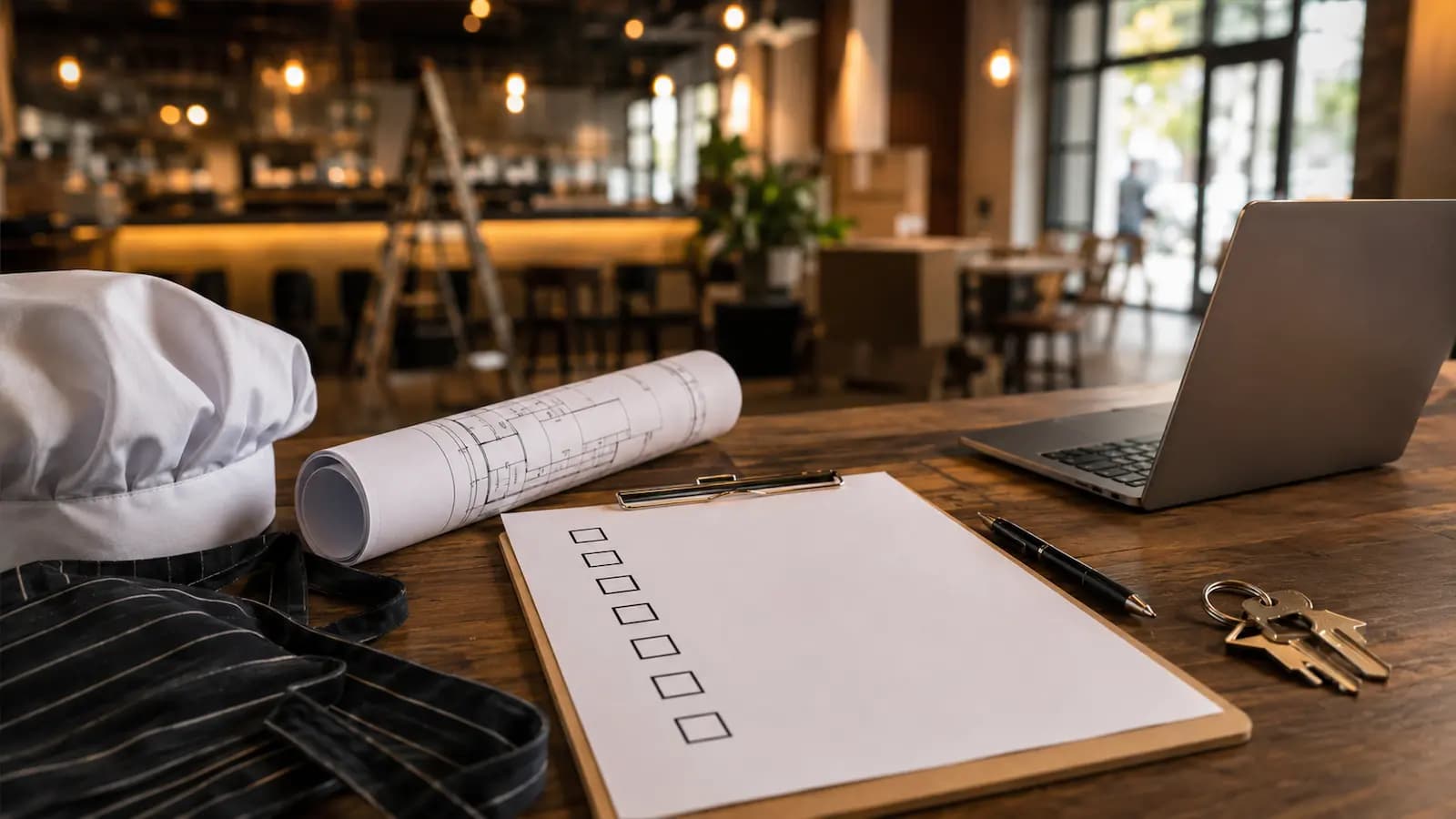
Before a restaurant opens its doors, dozens of decisions are happening behind the scenes. Some are exciting, like choosing the name, building the menu, and planning the dining room. Others are less glamorous, like permits, insurance, pricing, vendor setup, and staff training.
The order matters. Many new restaurant owners jump straight into logos, decor, and menu ideas before answering the practical questions that determine whether the business can actually work.
Use this checklist as a practical starting point. It is written for real restaurant owners who need clarity, not a 50-page business textbook.
1. Define Your Restaurant Concept
Your concept is the foundation of everything else. It affects your menu, pricing, location, decor, staffing, service style, hours, and marketing.
Write down your cuisine, service style, target customer, price range, atmosphere, signature dishes, and what makes the restaurant different. A quick-service lunch cafe needs a different layout than a romantic dinner restaurant. A family breakfast spot needs different seating, hours, pricing, and staff training than a cocktail bar.
Your concept should be specific enough that customers can repeat it. "A cozy Thai place with a simple lunch menu" is memorable. "They have a lot of different food" is forgettable.
2. Research Your Local Market
Before choosing a location or finalizing a menu, study the area you want to serve. You need to understand who your customers are and what they already have available.
Look at nearby restaurants, menu prices, customer reviews, popular cuisines, offices, schools, apartments, hotels, parking, delivery demand, and weekday versus weekend patterns.
Read competitor reviews carefully. Do not just look at star ratings. Look for patterns. Customers may complain that nearby restaurants are too expensive, too slow, hard to park near, inconsistent, or missing healthier options. Those complaints can reveal opportunities.
3. Build a Basic Business Plan
Your business plan does not need to be 50 pages, but it should explain how the restaurant will make money.
At minimum, include:
- Concept summary and target customer
- Startup costs and monthly fixed costs
- Projected sales and break-even point
- Menu pricing strategy and food cost targets
- Labor cost targets and staffing plan
- Marketing plan and opening timeline
The break-even point is especially important. You need to know how much revenue you must generate each month just to cover rent, payroll, food, utilities, insurance, software, loan payments, and other expenses.
4. Secure the Right Location
The best location depends on your restaurant type. A coffee shop may need morning foot traffic. A lunch spot may need offices nearby. A family restaurant may need parking and visibility. A late-night concept may need nightlife traffic.
Do not judge a space only by how it looks empty. Think about the daily operation. Can delivery trucks access it? Is the kitchen layout workable? Is there enough storage? Will the dining room fit your revenue goals? Are bathrooms already installed? Does the space meet code? Are there lease restrictions?
Before signing, talk to experienced professionals: a commercial real estate agent, contractor, attorney, accountant, or restaurant operator. A bad lease can damage a restaurant before it opens.
5. Handle Permits, Licenses, and Insurance Early
Permits can take longer than expected, and delays can push back your opening date. Requirements vary by city and state, but restaurants commonly need a business license, food service permit, health department approval, fire inspection, certificate of occupancy, sales tax registration, insurance, and sometimes liquor, sign, outdoor seating, or music licenses.
Start early and keep a checklist. Do not assume you can figure it out later. A missing permit can delay your opening, prevent you from serving certain items, or create legal issues.
6. Design a Focused Opening Menu
Your opening menu should be clear, profitable, and operationally realistic. This is not the time to include every idea you have.
A strong opening menu should fit the concept, use ingredients efficiently, avoid too much overlap, be easy for staff to explain, work during a rush, and include profitable signature items.
Once you have the menu drafted, build descriptions that help guests decide. Your menu should not just tell customers what you sell. It should help them choose what to order. Our restaurant menu design guide goes deeper on placement, descriptions, and structure.
7. Price Your Menu Properly
Pricing is one of the most important decisions before opening. If prices are too high, customers may hesitate. If prices are too low, you may stay busy while losing money.
For each item, calculate ingredient cost, portion size, packaging cost, labor complexity, target food cost percentage, competitor price range, and perceived value.
A digital menu makes price testing less painful. If you print hundreds of menus and realize pricing is wrong, fixing it becomes expensive. With an online menu, you can update prices anytime. Compare setup options on our pricing page.
8. Set Up Your Online Presence
Before opening day, customers should already be able to find you online. Set up your Google Business Profile, website or landing page, digital menu, social profiles, reservation or ordering links, accurate hours, phone number, address, directions, and basic photos.
Your menu is especially important. Many potential guests will look at your menu before deciding whether to visit. If your menu is missing, outdated, hard to read, or only available as a zoom-heavy PDF, you may lose them.
A mobile-friendly digital menu gives customers a better experience and gives you more flexibility. You can use the PDF to QR code menu tool, build with the online menu maker, or start from the QR code menu generator.
9. Hire and Train Your Team
Hiring is not just about filling shifts. Your staff will shape the guest experience from day one. They need to understand the concept, menu, service standards, and expectations.
Training should include menu knowledge, allergen awareness, POS practice, guest greetings, order taking, complaint handling, item recommendations, phone etiquette, takeout procedures, cleaning standards, and opening and closing checklists.
Run practice services before the public opening. Invite a small group for a soft opening and treat it like a real shift. Watch where the process breaks down. Fix those issues before serving a full crowd.
10. Plan Your Launch Marketing
Do not wait until opening day to tell people you exist. Start building interest weeks in advance with buildout photos, menu previews, chef introductions, opening date announcements, signature dish photos, soft opening updates, launch offers, and local partnerships.
Make sure every launch post has a clear next step: view the menu, get directions, follow for updates, reserve a table, scan a QR code, or join the opening list.
After opening, ask happy guests for reviews while the experience is fresh. A Google review QR code near the register, on receipts, or in follow-up materials can make that easier.
Quick Opening Checklist
- Define the concept and target customer.
- Research local demand and competitors.
- Build the business plan and break-even math.
- Choose a location that fits the concept and numbers.
- Start permits, licensing, and insurance early.
- Create a focused opening menu.
- Price every item with real cost data.
- Publish your menu and online presence before opening.
- Train the team with practice services.
- Launch with clear local marketing and review follow-up.
Final Thoughts
Opening a restaurant becomes more manageable when you tackle the right steps in the right order. Start with the concept, understand the market, build the numbers, choose the location carefully, handle permits early, create a focused menu, price it properly, build your online presence, train your team, and launch with intention.
MenuHoster can help with one of the most important pieces: creating a mobile-friendly restaurant menu that works before opening day, during soft launch, and long after your first customers arrive. Upload your menu, create a QR code, share your link, preview the restaurant demo, and update your items anytime.
Frequently Asked Questions
What should I do first when opening a restaurant?
Start by defining your restaurant concept and target customer. Before signing a lease or designing a menu, you need to know what kind of restaurant you are building and who it is for.
How early should I create my restaurant menu?
Create a draft menu early, but expect it to change. Your opening menu should be finalized before staff training and soft opening so your team can learn the dishes, pricing, and descriptions.
Do I need a digital menu before opening?
Yes. A digital menu helps people discover your restaurant before they visit and makes it easy to update prices, photos, and items during your early launch period.
How long does it take to open a restaurant?
Timelines vary widely depending on permits, construction, location, funding, and licensing. Some small concepts can open in a few months, while full-service restaurants with major buildouts can take much longer.
What is a soft opening?
A soft opening is a limited test run before the public opening. Restaurants use it to train staff, test the kitchen, gather feedback, and fix problems before serving a full crowd.
MenuHoster Team
Helping restaurants go digital