How to Build a Loyal Coffee Shop Community
Updated:
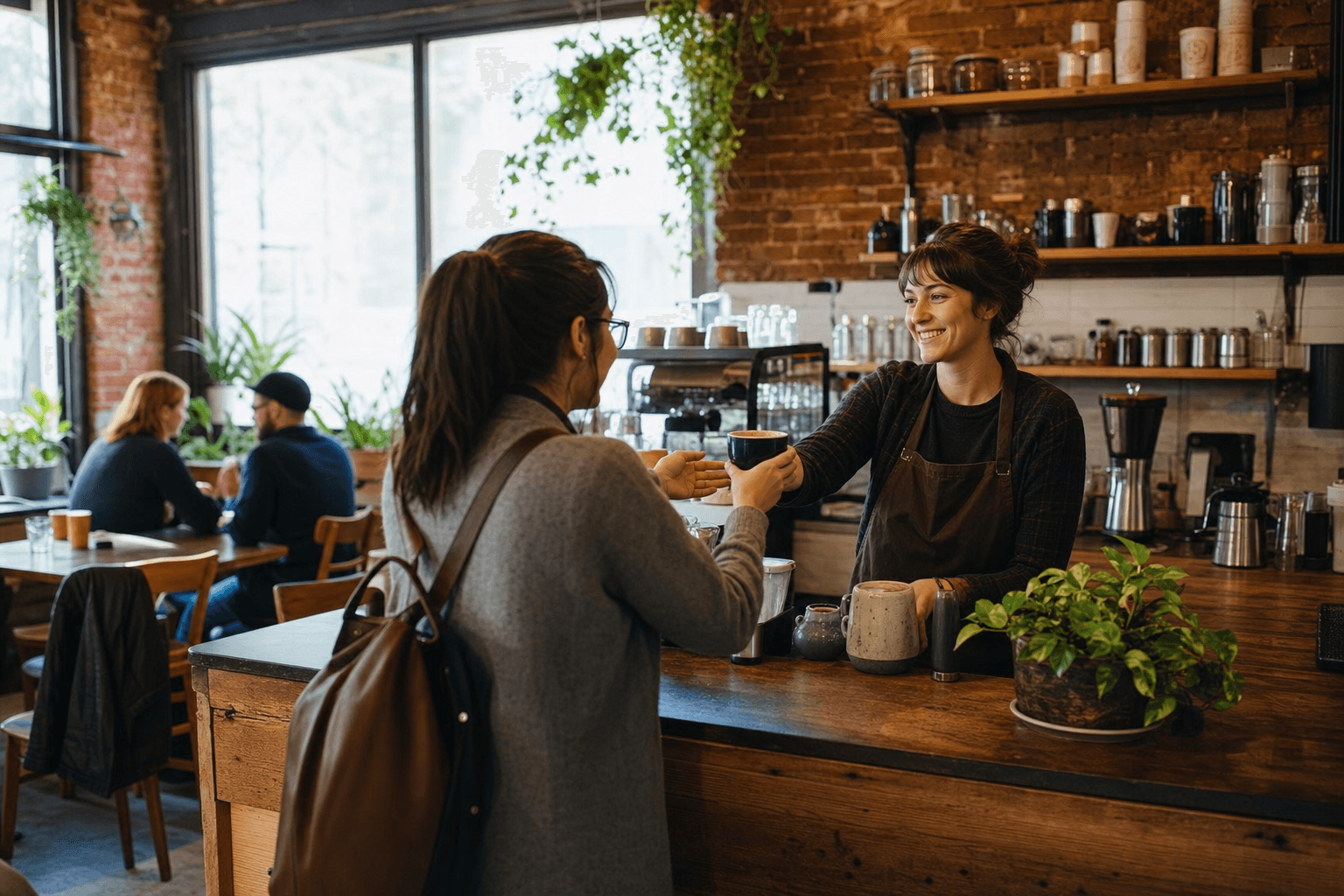
Chains win on convenience and consistency. You can't beat a Starbucks on those two fronts — and you shouldn't try to. What independent cafes can offer that no chain ever will is a genuine sense of belonging. People don't just want good coffee; they want a place where they feel known. Build that, and you won't just have customers — you'll have a community that markets your cafe for you, defends you on Yelp, and shows up on a rainy Tuesday when nobody else does.
This guide covers the practical, concrete steps to make that happen — from the first interaction at the counter to the digital touchpoints that keep people connected between visits.
Know Your Regulars by Name and Order
This sounds obvious, but most cafes don't do it systematically. Being remembered is one of the most powerful feelings a customer can experience. It signals: you matter here. That's something no app or loyalty card can replicate on its own.
- Train your team to repeat names. When a customer gives their name for an order, the barista should say it back at handoff — and make an effort to remember it on the next visit.
- Keep a "regulars cheat sheet." A simple shared note (even a physical one behind the counter) listing frequent customers, their usual orders, and any preferences goes a long way. Update it weekly.
- Acknowledge milestones. If someone mentions it's their birthday, their first day at a new job, or they just moved to the neighborhood — note it. A small acknowledgment next time ("How's the new job going?") creates a disproportionate emotional impact.
The goal isn't to be intrusive — it's to be genuinely attentive. There's a difference, and your staff will learn to read it.
Design Your Physical Space for Lingering
Community doesn't happen in a drive-through. It requires people to slow down and stay. Your physical environment either encourages that or kills it.
Seating that invites conversation
Mix communal tables with solo spots. A long shared table signals openness — strangers sit next to each other, conversations start. Solo nooks with good lighting keep remote workers coming back for hours. Both types of customer become regulars; they just need different things from the space.
Analog touchpoints
A community board — real cork, real pins — where locals can post events, lost pet flyers, or music lessons available is a small investment that makes your cafe feel like a neighborhood hub. A "leave a book, take a book" shelf does the same. These things cost almost nothing and signal that your cafe is a place, not just a transaction.
Ambient details that reward attention
Rotating local art on the walls, a chalkboard with the week's featured origin coffee, a handwritten note about why you chose this month's roaster — these details reward curious customers and give them something to talk about. People share what surprises them.
Build a Loyalty Program That Actually Works
Punch cards are better than nothing, but they're passive. A well-designed loyalty program should do three things: reward frequency, encourage discovery, and create a sense of status.
Frequency rewards
The classic "buy 9, get 1 free" model works. Keep it simple — complexity kills participation. If you use a digital loyalty app, make sure the signup friction is low. You'll lose half your potential sign-ups to a clunky onboarding flow.
Discovery rewards
Reward customers for trying something new. A double stamp on a new seasonal drink, or a free pastry with a first-time pour-over order, nudges people out of their routine and increases average ticket size. Customers who try more things become more attached to your menu — and to you.
Status and recognition
Consider a tiered or named "regulars" program. Something as simple as a "Gold Card" for customers who've visited 50+ times — which gets them a small perk like a free espresso shot — creates a sense of belonging. People like being recognized as insiders. It costs you very little and pays back in word-of-mouth.
Host Events That Bring People Together
Events transform a cafe from a place people visit individually into a place people experience together. You don't need a big budget or a big space.
- Cupping sessions. A 45-minute guided tasting of two or three coffees on a quiet weekday morning draws curious regulars and gives them something to talk about with friends. Charge $10–15 or offer it free to loyalty members.
- Open mic nights or acoustic sets. Even a single performer on a Thursday evening changes the energy of your cafe and fills seats during a slow shift. Local musicians appreciate the exposure; your regulars appreciate the atmosphere.
- Neighborhood meetups. Partner with a local group — a book club, a running club, a neighborhood association — and host their monthly meetup. You become their "home base." That group's members become your regulars.
- Workshops. Latte art classes, home brewing tutorials, or even a "coffee and journaling" morning attract different segments of your community and generate social media content organically.
Promote events on your Google Business Profile, Instagram, and — critically — on a simple events page or announcement on your cafe's digital menu and web presence so people who find you online can see you're active.
Get Your Digital Presence Right
Community building happens offline, but it starts online. When someone searches "best coffee shop near me," your cafe needs to show up — and when they land on your page, it needs to feel like you. A bare-bones Google listing with no photos and an outdated menu is a missed opportunity every single day.
Your menu is your first impression
Most customers check your menu before they visit. If they can't find it easily — or if it's a blurry PDF — you've already lost some of them. A clean, mobile-friendly digital menu that loads instantly on a phone, shows your current offerings, and reflects your cafe's personality does real work for you around the clock.
QR codes at the table
A QR code menu at each table isn't just a convenience — it's a touchpoint. When customers scan it, they're engaging with your brand. Use that page to highlight your story, your seasonal specials, and upcoming events. It's a small screen but a big opportunity.
Google Business Profile
Claim and fully complete your Google Business Profile. Add photos weekly (Google rewards freshness). Respond to every review — thank the positive ones specifically, address the negative ones calmly and constructively. A cafe that engages with its reviews signals that real humans are behind it. That builds trust before someone even walks in the door.
Instagram and local hashtags
You don't need to post daily. Three to four times a week with genuine content — a close-up of a new drink, a photo of the morning light in your space, a short video of your barista explaining a brewing method — is enough. Use your city's local hashtags consistently. Engage with other local businesses' posts. The algorithm rewards consistency, not volume.
Partner With Other Local Businesses
Your neighborhood is an ecosystem. The stronger the local businesses around you, the stronger you are. Cross-promotion with complementary businesses costs nothing and reaches audiences you'd never find on your own.
- Local bakeries. If you don't bake in-house, partner with a local bakery and co-brand the relationship. "Our pastries come from [Bakery Name] down the street" is a story customers love — and it sends traffic both ways.
- Bookshops, florists, record stores. Leave each other's cards or small flyers at the counter. Offer a small discount to customers who show a receipt from a partner business. It's a simple mechanic that creates a sense of local network.
- Office buildings and coworking spaces. Introduce yourself to the office manager of a nearby building. Offer a small catering arrangement or a bulk coffee deal. Those workers become daily regulars.
Listen and Respond to Your Community
The fastest way to build loyalty is to make people feel heard. This means actively soliciting feedback and visibly acting on it.
Ask directly
Train your staff to ask one genuine question per shift: "Is there anything we could do better?" or "What's a drink you wish we had?" You'll get more useful feedback from a single honest conversation than from a hundred anonymous surveys.
Close the loop publicly
When you add a new menu item based on customer requests, say so. A small chalkboard sign — "You asked for oat milk cold brew. Here it is." — is powerful. It proves you're listening. It makes the customer who suggested it feel like a co-creator of your cafe. That's a level of loyalty no discount can buy.
Handle complaints gracefully
A customer who complains and gets a genuine, respectful response becomes more loyal than one who never had a problem. Don't be defensive. Acknowledge the issue, fix what you can, and follow up if possible. One well-handled complaint can generate more goodwill than ten perfect visits.
Use Your Menu as a Storytelling Tool
Your menu isn't just a list of items and prices — it's a chance to communicate who you are. Chains have generic menus. Yours shouldn't be.
Write short, honest descriptions that reflect your voice. Name drinks after neighborhood landmarks or local figures. Include a line about your roaster or your sourcing philosophy. These details give customers something to connect with — and something to tell their friends about.
If you're updating your menu or starting from scratch, explore cafe menu templates designed to look professional while still feeling personal. A well-designed menu signals that you take your craft seriously, and that matters to the kind of customer you want to attract.
Measure What Matters
Community building can feel intangible, but you can track it. Focus on a few key metrics:
- Return visit rate. What percentage of customers come back within 30 days? Your POS system can tell you this. If it's below 30%, your retention is weak regardless of how busy you feel.
- Review velocity. Are you getting new Google reviews consistently? A steady stream of recent reviews signals an active, engaged customer base — and boosts your local search ranking.
- Event attendance. Track who shows up to your events. Are the same faces returning? Are they bringing new people? Growth in event attendance is a direct measure of community health.
- Average visit frequency of loyalty members. If your loyalty program members visit 3x more than non-members, your program is working. If the gap is small, rethink the incentives.
Frequently Asked Questions
How long does it take to build a loyal coffee shop community?
Realistically, 6–12 months of consistent effort before you see a clearly recognizable "regular" base. The first few months are about establishing habits — yours and your customers'. Don't expect overnight results, but do expect compounding returns. Every regular you earn brings in two or three more through word of mouth over time.
Do I need a big marketing budget to build community?
No. Most of the highest-impact community-building tactics — knowing customers by name, hosting small events, responding to reviews, cross-promoting with neighbors — cost little to nothing. Budget helps with paid social or a loyalty app, but the fundamentals are free. Consistency and genuine care matter more than spend.
What's the best loyalty program format for a small independent cafe?
Start simple. A digital punch card through an app like Square Loyalty or Stamp Me is easy to manage and low-friction for customers. Avoid complex tier systems until you have a clear sense of your customer base. The best loyalty program is the one customers actually use — simplicity wins.
How important is a digital menu for community building?
More important than most cafe owners realize. Your digital menu is often the first interaction a potential regular has with your brand. A clean, well-written, mobile-friendly menu signals professionalism and personality. It also makes it easy for existing customers to share your menu with friends — which is free word-of-mouth marketing.
How do I compete with chain coffee shops on convenience?
Don't compete on convenience — compete on connection. Chains offer speed and predictability. You offer a real human experience, a story, a neighborhood identity. Lean into that. Make your cafe the place people choose when they want to feel good, not just caffeinated. That's a market chains can never fully capture.
Ready to give your cafe the digital presence it deserves? MenuHoster makes it simple to create a beautiful digital menu, generate a QR code for your tables, and build an online ordering page — all in one place, with no technical skills required. See our plans and pricing and get your cafe online today. Your next regular might be searching for you right now.
MenuHoster Team
Helping restaurants go digital