The Independent Restaurant's Guide to Neighborhood Influencer Partnerships
Updated:
Why Neighborhood Influencers Beat Big Names
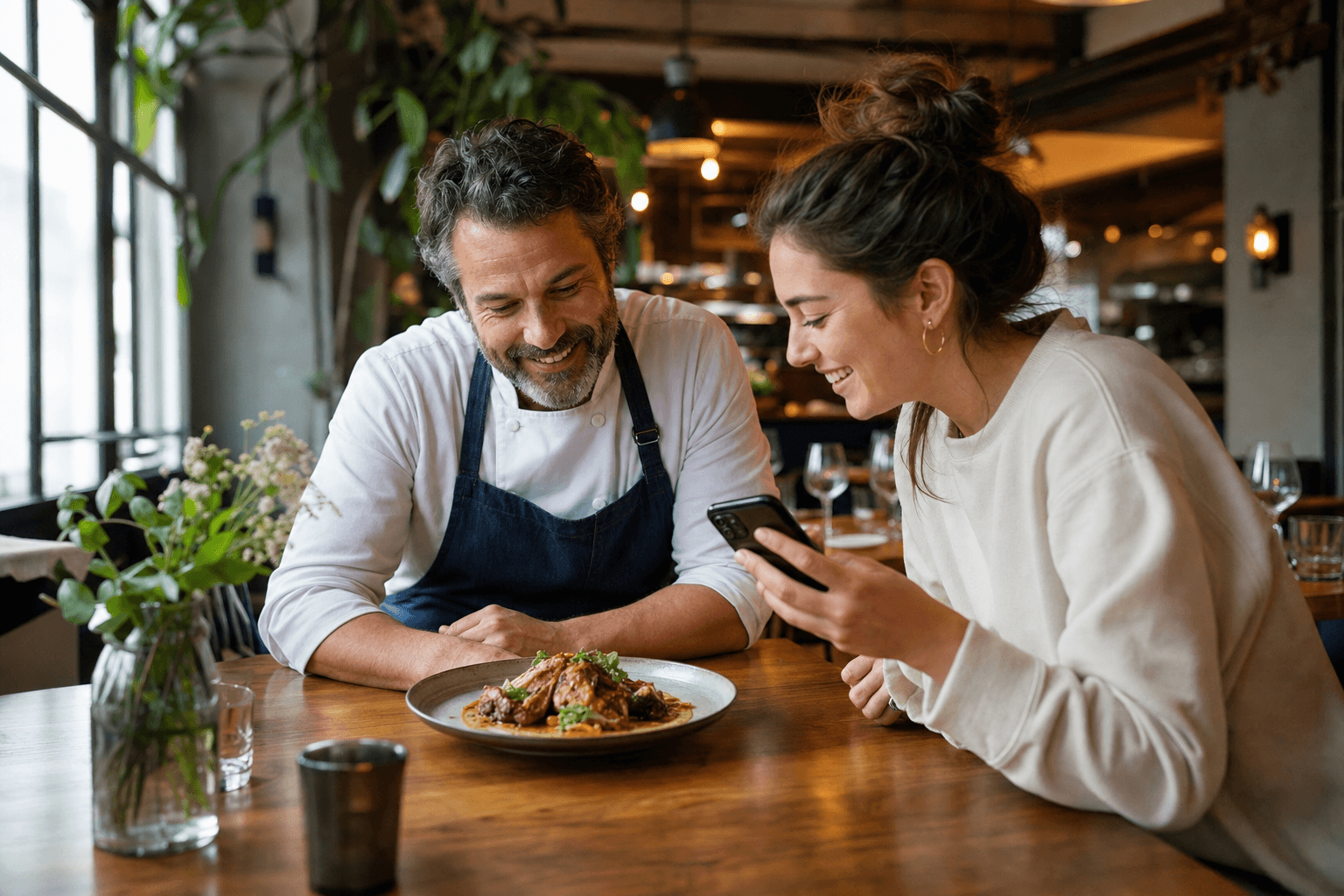
Somewhere along the way, "influencer marketing" became synonymous with paying a celebrity with a million followers to hold up a product they've never used. That's not what this guide is about. For an independent restaurant operating in a specific neighborhood, the most valuable influencers are the ones who already eat, shop, and live nearby—people with 2,000 to 50,000 followers whose audience is genuinely local.
The numbers back this up. Micro-influencers (typically defined as accounts with under 100,000 followers) consistently post higher engagement rates than mega-influencers. More importantly for a restaurant, their followers are far more likely to act on a recommendation—because they trust the person giving it, and they can actually walk to your front door.
This guide is written for owner-operators who don't have a PR agency or a dedicated marketing budget. You'll learn how to identify the right people, reach out without sounding desperate, structure a deal that works for both sides, and measure whether it actually moved the needle.
Defining the Right Influencer for Your Restaurant
Before you search for anyone, get clear on what you're looking for. A useful neighborhood influencer for your restaurant has three qualities:
- Local audience: Their followers are concentrated in your city or neighborhood, not scattered across the country. A food account with 8,000 followers in your metro area is worth more to you than one with 80,000 followers spread across the globe.
- Content alignment: They already post about food, dining out, local life, or related topics. You're not converting someone into a food creator—you're finding one who already is.
- Authentic engagement: Their comments look like real conversations, not just emoji strings and generic praise. Scroll through their last 10 posts. Are people asking follow-up questions? Tagging friends? That's the signal you want.
Don't fixate on follower count. A hyperlocal food blogger with 3,500 engaged followers in your ZIP code will drive more reservations than a lifestyle influencer with 40,000 passive followers in a different part of the city.
Where to find them
Start with the obvious places:
- Instagram and TikTok hashtags: Search your city name plus "food," "eats," "foodie," or your specific neighborhood. Look at who's posting consistently and getting real engagement.
- Google and local blogs: Search "[your city] food blog" or "[your neighborhood] restaurant recommendations." Many micro-influencers run a blog alongside their social accounts.
- Your own tables: Check who's already tagged your restaurant. Someone who visited unprompted and posted about it is a warm lead—they already like you.
- Local Facebook groups and Nextdoor: Community-focused groups often have members who are informal local authorities on where to eat. They may not call themselves influencers, but they function as one.
How to Evaluate an Influencer Before You Reach Out
Spend 15 minutes on due diligence before sending a single message. Here's a quick checklist:
- Check their last 20 posts. Is the quality consistent? Do they post regularly, or did they go quiet for three months? Consistency matters more than peak performance.
- Calculate a rough engagement rate. Add up the likes and comments on their last 10 posts, divide by 10, then divide that number by their follower count. Multiply by 100. For a micro-influencer, 3–8% is healthy. Below 1% is a red flag.
- Read the comments. Are they genuine? Bought followers often generate generic comments like "Great post!" with no context. Real engagement looks like "Oh my god, I went here last week and the tacos were incredible."
- Look at their disclosure habits. Do they label paid or gifted posts with #ad or #gifted? Someone who does is playing by FTC rules—and that transparency actually builds more trust with their audience than hiding it.
- Check for competitor conflicts. Have they recently done a paid post for a direct competitor? Not necessarily a dealbreaker, but worth knowing before you invest time in them.
Crafting an Outreach Message That Gets a Reply
Most influencer cold outreach fails because it's obviously a template. Creators get dozens of generic pitches a week. Yours needs to show you've actually looked at their work.
Here's a structure that works:
- One specific compliment. Reference a real post. "I saw your reel about the new ramen spot on Elm Street—your framing of the broth pour was really well done." This proves you're not copy-pasting.
- A brief, honest introduction. Who you are, what your restaurant is, and one sentence about what makes it worth their audience's time.
- A clear, low-pressure offer. Invite them to come in as your guest—no strings attached for the first visit. Don't lead with "we'll pay you" before they've even tried your food.
- An easy yes or no. Close with a specific ask: "Would you be open to coming in for dinner on us sometime in the next few weeks?" Easy to answer. No lengthy negotiation required.
Keep the message under 150 words. Send it via DM on the platform where they're most active, or via email if they list one in their bio. Follow up once after a week if you don't hear back—then move on.
Structuring the Partnership: What to Offer and What to Ask For
There's a spectrum of arrangements, from a simple complimentary meal to a paid content deal. Where you land depends on the influencer's reach and your budget. Here are the most practical models for independent restaurants:
Hosted dining experience (no cash)
You invite the influencer and a guest for a complimentary meal. In exchange, you ask for an honest post—a feed post, a reel, or a story set—with a tag. No script, no approval required. This works well for smaller local creators who value the experience itself and aren't yet charging fees. The trade is food cost (which is your cost of goods, not your menu price) for organic content.
Gifted + flat fee
For creators with a larger local following or proven track record of driving foot traffic, a small flat fee on top of the meal is appropriate. Even $50–$150 is meaningful to a micro-influencer and signals that you're treating this like a real business arrangement. In return, you can reasonably ask for a specific deliverable: one reel plus two stories, for example, posted within a defined window.
Ongoing ambassador relationship
If a first collaboration goes well, consider a monthly or quarterly arrangement. They post once a month about your restaurant in exchange for a monthly dining credit. This builds genuine familiarity—their audience sees them returning to your place repeatedly, which is far more persuasive than a single sponsored post.
Event-based partnerships
Invite a small group of local creators to a soft launch, a seasonal menu preview, or a private tasting event. The cost of feeding 8–10 people is manageable, and you get multiple pieces of content from multiple accounts on the same day. Make sure your digital menu is polished and up to date before the event—creators will photograph it, and their followers will look it up.
Making the Visit Worth Posting About
The content is only as good as the experience. Don't leave it to chance. When a creator is coming in, brief your front-of-house staff so they're not surprised. A few practical steps:
- Seat them well. A table near natural light or a visually interesting part of your space makes their job easier and their photos better.
- Send out a signature dish unprompted. Something visually striking that you want associated with your brand. Don't wait for them to order it—make sure they see it.
- Have a clean, scannable QR code on the table. If their followers see a post and want to check your menu, you want them to land on something professional. A well-built QR code menu that loads fast and looks great is part of the impression you're making.
- Tell a story they can repeat. Give them one interesting fact about the dish, the sourcing, or the recipe. Creators need material. A server who says "the pasta is made fresh every morning by our chef who trained in Bologna" gives them something to write about.
What to Ask For—and What Not to Control
This is where a lot of restaurant owners go wrong. They get nervous and start asking for approval over captions, specific hashtags, exact posting times, and scripted language. That kills authenticity—and authenticity is the entire point.
It's reasonable to ask for:
- A tag of your restaurant's account
- Your location tagged in the post
- A rough posting window (e.g., "within two weeks of your visit")
- FTC-compliant disclosure if you've provided a gift or payment
It's not reasonable to ask for:
- Caption approval
- Guaranteed positive language
- Removal of any honest criticism
If a creator posts something mildly critical alongside overall positive content, that's actually a trust signal for their audience. Perfectly glowing, brand-approved language reads as advertising. Honest, specific enthusiasm reads as a real recommendation.
Amplifying the Content After It Goes Live
When a creator posts about you, don't just like it and move on. Squeeze more value out of it:
- Repost to your own stories immediately. Tag the creator back. This reinforces the relationship and shows your audience that real people are talking about you.
- Save the content for future use. With the creator's permission, you can repurpose their photos or video in your own feed, on your website, or in email campaigns. This is a form of user-generated content that costs you almost nothing to produce.
- Respond to comments on their post. If their followers are asking "what should I order?" or "do they take reservations?"—jump in. It's your restaurant. Answer them directly. This is free, direct engagement with a warm audience.
- Screenshot and save metrics. Ask the creator to share basic reach and impression data from the post. You'll need this to evaluate whether the partnership was worth repeating.
Measuring Whether It Worked
You don't need fancy tools to figure out if a neighborhood influencer partnership drove results. Here are practical ways to track impact:
- Profile visits and followers: Check your Instagram or Google Business Profile the week after a post goes live. A noticeable spike in profile visits or new followers is a direct signal.
- Reservation or order spikes: If you take online reservations or have online ordering set up, look at the numbers in the 48–72 hours after a post goes live. Compare to your baseline for that day of the week.
- Ask new guests directly. Train your staff to casually ask first-time visitors how they heard about you. "Did you see us on Instagram?" is a perfectly natural question. Log the answers.
- Promo codes: For any paid partnership, give the creator a unique discount code to share with their audience. This gives you hard data on how many people actually converted from their post.
If a partnership didn't move any of these metrics, that's useful information. It might mean the creator's audience wasn't local enough, the content didn't resonate, or the timing was off. Don't write off influencer marketing entirely—adjust the variables and try again with a different creator.
Building a Small Roster Over Time
The goal isn't to do one influencer post and call it done. The most effective independent restaurants treat this as an ongoing, low-key program. Aim to have 3–5 local creators who know your restaurant well, enjoy coming in, and post about you organically a few times a year.
This doesn't require a spreadsheet or a formal program. It requires consistent relationship maintenance: reply to their posts, invite them to special events, send a message when you launch a new seasonal menu. Keep it human. These are people in your neighborhood, not vendors in a contract.
As your digital presence grows alongside your influencer relationships, make sure everything points to a professional, easy-to-navigate online experience. A strong restaurant menu page that loads fast and looks polished converts the curious followers an influencer sends your way into actual guests.
Frequently Asked Questions
Do I have to pay neighborhood influencers?
Not always. Many micro-influencers with under 10,000 followers are happy to post in exchange for a hosted meal, especially if they genuinely enjoy the experience and the content fits their feed. As their following grows or if you want guaranteed deliverables, a modest flat fee becomes appropriate. Start with a complimentary visit and see how it goes before discussing payment.
What if an influencer posts something negative about my restaurant?
First, take a breath. A nuanced review that mentions one minor issue alongside genuine praise is actually more credible than a perfectly positive post. If the criticism is fair, use it as operational feedback. If it's genuinely unfair or inaccurate, you can politely respond in the comments with context. Don't demand they delete it—that creates far more drama than the original post.
How do I know if an influencer's followers are actually local?
Ask. Once you've established a basic rapport, it's completely normal to say, "Before we move forward, could you share a rough breakdown of where your audience is based? I want to make sure it's a good fit for our neighborhood." Most creators with business profiles have access to audience location data in their analytics and are happy to share it with potential partners.
How many influencer partnerships should I run at once?
For most independent restaurants, one to two active partnerships at a time is manageable. You want each visit to feel special and well-executed, not like you're running an influencer assembly line. Quality of experience matters more than volume of posts. Once you've built a small roster of trusted creators, the program essentially runs itself with minimal effort.
Should I work with food bloggers or social media creators?
Both can be valuable, and they serve different purposes. A food blogger's post tends to have longer shelf life—it can rank in Google search results for months or years and drive discovery from people actively searching for restaurants in your area. A social media creator generates faster, higher-volume awareness but fades more quickly. Ideally, include both types in your roster. For more on working with bloggers specifically, see our guide on getting your café featured by local food bloggers.
Ready to make sure every influencer's followers who look you up find a polished, professional presence? MenuHoster gives independent restaurants a beautiful digital menu, QR code ordering, and a clean online presence—all without the tech headaches or agency fees. Set it up in under an hour and give your next influencer partnership the landing page it deserves.
MenuHoster Team
Helping restaurants go digital