Walk-in vs. Appointment-Only Salons: How Your Booking Model Affects Your Marketing
Updated:
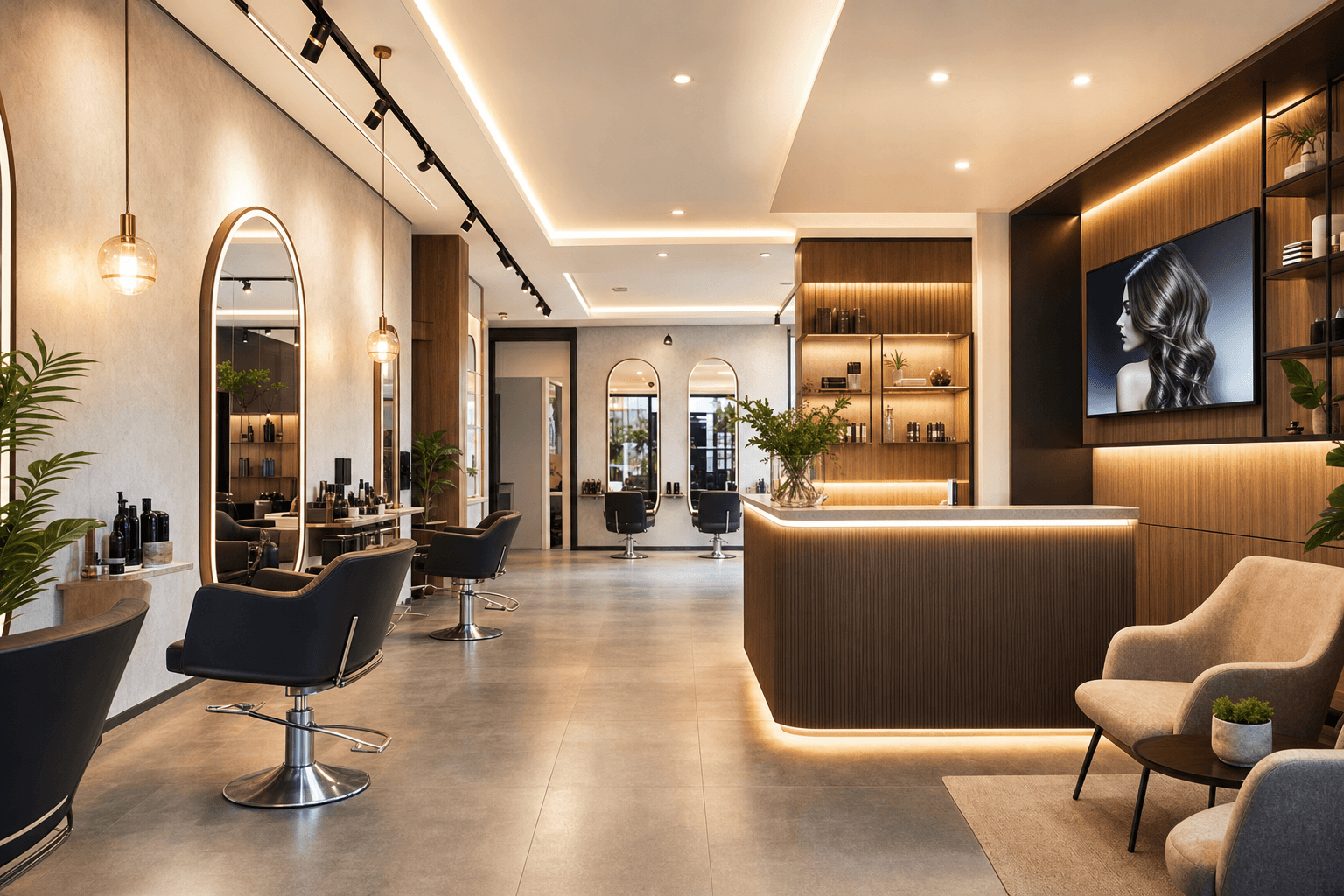
Your booking model is not just an operational decision—it is a marketing decision. Whether you run a walk-in barbershop, a strictly appointment-only color studio, or something in between, the way clients access your chair determines almost everything about how you should attract, convert, and retain them. Get the alignment wrong, and you waste money advertising to the wrong intent. Get it right, and every dollar you spend pulls harder.
This guide breaks down exactly how walk-in and appointment-only models differ in their marketing needs, and what tactics work best for each. It also covers hybrid operations, because most real salons live somewhere in the middle.
The Core Marketing Difference
Before diving into tactics, it helps to understand the fundamental tension. Walk-in clients are making an impulse or convenience decision. They are nearby, they have time, and they want service now. Appointment clients are planning ahead. They are comparing options, reading reviews, checking availability, and making a deliberate commitment.
These two mindsets require completely different marketing messages and different channels to reach them effectively.
- Walk-in marketing is about visibility, proximity, and immediacy. You need to be found at the moment someone decides they want a haircut or a manicure.
- Appointment marketing is about trust, differentiation, and relationship-building. You need to convince someone to commit their future time to you over a competitor.
Most salon owners apply one generic approach to both. That is the mistake this article helps you fix.
Marketing a Walk-in Salon
Local SEO and Google Business Profile Are Your Front Door
For walk-in operations, your Google Business Profile is arguably your most important marketing asset. When someone searches "barbershop near me" or "nail salon open now," they are ready to walk in the door within the hour. If you do not appear prominently in those results, you lose that client to whoever does.
Prioritize these actions for your Google Business Profile:
- Keep your hours scrupulously accurate, including holiday hours. Nothing kills a walk-in visit faster than showing up to a closed shop.
- Enable the "Accepts walk-ins" attribute—it is a filter some users apply specifically.
- Upload fresh photos regularly. Searchers comparing two nearby salons will often choose the one with better, more recent photos.
- Respond to every review, positive and negative. Walk-in clients read reviews quickly and make fast decisions; a pattern of unanswered complaints signals indifference.
Your Physical Presence Is a Marketing Channel
Walk-in salons benefit enormously from foot traffic visibility. Signage, window displays, a clean and inviting exterior, and even the sound and energy coming through an open door all do marketing work. Do not overlook these analog signals.
A well-placed QR code on your window or front desk—linking to your digital salon services menu—lets passersby browse your offerings and pricing before they commit to walking in. This reduces the hesitation that costs you potential clients who are unsure whether you offer what they need.
Social Media: Urgency and Availability
For walk-in salons, social media posts should communicate current availability and immediacy. "We have two chairs open right now—no wait!" performs better than a generic promotional post. Stories and short-form video work well because they feel real-time.
Post consistently, but do not obsess over production value. Authenticity and timeliness matter more than polish when your goal is driving same-day foot traffic.
Pricing Transparency Removes Friction
Walk-in clients are often first-timers who found you by proximity. They may not know your prices, and uncertainty about cost is one of the most common reasons people hesitate to walk in. Publishing a clear, up-to-date service menu—either on your website, your Google listing, or via a QR code at the entrance—removes that friction instantly.
A QR code menu displayed near your entrance or in your window is a practical way to let curious passersby check your services and prices without having to ask. That small step can be the difference between someone walking in and someone walking past.
Marketing an Appointment-Only Salon
You Are Selling a Relationship, Not Just a Service
Appointment-only models thrive on repeat clients and referrals. Your marketing job is not just to attract new clients—it is to build enough trust that a stranger will hand over a future time slot before they have ever experienced your work.
This means your online presence needs to communicate expertise and personality clearly. A generic "professional stylists, great prices" message does nothing. What specific techniques do you specialize in? What is your aesthetic? Who is your ideal client? The more specific you are, the more magnetic your marketing becomes to the right people.
Portfolio Content Is Non-Negotiable
Before-and-after photos, transformation videos, and detailed service spotlights are the backbone of appointment-only salon marketing. Instagram and TikTok are obvious homes for this content, but do not ignore your Google Business Profile photos and your website gallery.
Every piece of portfolio content should make a prospective client think: "That is exactly what I want, and I want that specific person to do it." If your content is too generic, you are competing on price. If it is specific and distinctive, you compete on expertise—a much more defensible position.
Booking Friction Is Your Biggest Enemy
Appointment clients are motivated but they are also busy. If booking with you requires a phone call during business hours, a DM that may or may not get answered, or a clunky third-party app, you will lose bookings to competitors who make it easier.
Audit your booking flow ruthlessly. The path from "I want to book" to "booking confirmed" should take under two minutes on a mobile phone. Link directly to your booking page from your Instagram bio, your Google Business Profile, and any QR codes you use in-salon. Read our guide on creating a QR code booking link for your salon and where to place it for a practical setup walkthrough.
Email and SMS: Your Retention Engine
Appointment-only salons have a structural advantage: you collect client contact information at booking. Use it. A simple email or SMS sequence—appointment reminders, follow-up check-ins, rebooking prompts at the right interval—can meaningfully increase your repeat visit rate without spending anything on advertising.
The timing of rebooking prompts matters. If you know a client typically needs a color refresh every eight weeks, a message at week six ("Ready to book your next appointment?") lands at exactly the right moment. This is relationship marketing, and it is far cheaper than acquiring new clients.
Reviews: Depth Over Volume
Appointment clients read reviews more carefully than walk-in clients. They are making a considered decision, so they look for specifics: did the stylist listen? Was the color exactly right? Was the experience worth the price? Encourage clients to leave detailed reviews, not just star ratings. A prompt like "Would you mind mentioning what service you had and what you liked most?" can dramatically improve the quality and usefulness of your reviews.
The Hybrid Model and Its Marketing Complexity
Many salons operate a hybrid model—accepting walk-ins when chairs are available while also running a book of appointments. This is operationally flexible but marketologically complex, because you are essentially trying to communicate two different value propositions to two different audiences simultaneously.
Segment Your Messaging by Channel
The most practical approach for hybrid salons is to segment by channel. Use your Google Business Profile and local SEO to capture walk-in intent. Use Instagram, email, and your website to build the appointment-booking relationship. Do not try to say everything everywhere—it dilutes both messages.
Be Honest About Wait Times
One of the most common complaints about hybrid salons is unpredictable wait times. Walk-in clients who wait 90 minutes when they expected 20 minutes rarely come back. If you can communicate real-time or estimated wait times—even just a sign on the door or a quick Instagram Story update—you build trust and set expectations correctly. That is marketing, even if it does not feel like it.
Use Your Service Menu to Manage Demand
A well-structured digital service menu can do subtle demand management work. For example, listing your most complex, time-intensive services as "appointment recommended" signals to walk-in clients what they can realistically get done on a drop-in basis. This reduces conflicts at the front desk and improves the experience for everyone.
Displaying your services clearly—with descriptions, timing, and pricing—via a digital menu page that clients can view before arriving sets accurate expectations and reduces awkward conversations when someone walks in wanting a full balayage on a busy Saturday afternoon.
What Your Service Menu Communicates About Your Booking Model
Your published service menu is not just a price list. It is a positioning document that signals who you are, what you specialize in, and how clients should interact with you. Most salon owners underestimate this.
- Walk-in salons benefit from menus that emphasize speed, clarity, and accessibility. Short service names, clear prices, and minimal jargon help clients make quick decisions.
- Appointment-only salons can use their menu to communicate expertise and premium positioning. Detailed service descriptions, consultation notes, and tiered pricing by stylist level all reinforce the idea that this is a considered, specialized experience.
- Hybrid salons should clearly distinguish walk-in-friendly services from those that require advance booking, so clients self-select appropriately.
If your service menu is a dusty PDF or a photo of a laminated sheet, it is working against you. A clean, mobile-optimized menu that you can update instantly is a competitive advantage. Explore salon menu templates designed specifically for beauty and personal care businesses to get started quickly.
Paid Advertising by Booking Model
If you run paid ads—Google Ads, Meta ads, or local sponsored posts—your booking model should directly shape your targeting and copy.
Walk-in Salons
Focus on radius targeting (tight, 1–3 miles), time-of-day scheduling (peak hours when people are likely to be nearby), and copy that emphasizes convenience and no-wait availability. "Open now, no appointment needed" is a stronger hook than a promotional discount for this audience.
Appointment-Only Salons
Broader radius targeting makes sense because clients will travel for the right specialist. Focus your copy on your unique expertise, specific techniques, or the transformation you deliver. Retargeting campaigns—ads shown to people who visited your website or Instagram profile but did not book—tend to perform well because appointment clients often need multiple touchpoints before committing.
Seasonal and Promotional Strategy
Promotions work differently depending on your model. Walk-in salons can run same-day or week-long flash deals effectively because the audience is primed for immediate action. "20% off all cuts this Thursday" drives real foot traffic if you have the local visibility to reach people in time.
Appointment-only salons should be more careful with discounting. Heavy discounts can attract one-time bargain hunters who do not fit your ideal client profile and who fill slots that loyal clients could have used. Instead, consider loyalty rewards for existing clients, referral incentives, or seasonal add-on promotions (a complimentary treatment upgrade with any color service in November, for example) that deepen the relationship rather than commoditize your time.
Frequently Asked Questions
Can a walk-in salon build a loyal repeat clientele?
Absolutely. Many walk-in salons develop strong regulars who return specifically because of the convenience and lack of commitment required. The key is delivering a consistently excellent experience so that when someone needs a haircut, your shop is the first place they think of—not just the closest option. Collecting contact information (even just an email for a receipt) gives you a way to stay in touch and bring them back.
Should I switch from walk-in to appointment-only to grow revenue?
Not necessarily. Appointment-only models can increase average ticket size and reduce wasted chair time, but they also require stronger marketing infrastructure and a more deliberate client acquisition strategy. Walk-in models can be highly profitable with high volume and efficient operations. The right model depends on your location, your service mix, your team size, and your personal preference for how you want to run your business.
How do I handle marketing if I am transitioning from walk-in to appointments?
Communicate the change clearly and early to your existing clients. Update your Google Business Profile, your social bios, and any signage. Give loyal walk-in clients a grace period or priority booking access to ease the transition. Use the transition as a content moment—explain why you are making the change and what it means for the quality of experience clients can expect. Done well, it can actually generate excitement rather than resistance.
What should I put on my digital service menu for a salon?
At minimum: service name, a brief description, price (or price range), and approximate time. For appointment-only or premium services, add a note about consultation requirements or the recommended booking lead time. If you have multiple stylists at different experience levels with different pricing, make that clear. Transparency reduces friction and pre-qualifies clients before they even contact you.
Does my booking model affect how I should ask for reviews?
Yes. Walk-in clients should be prompted for reviews immediately—ideally with a QR code at checkout or a quick follow-up text, since the experience is fresh and they may not return for weeks. Appointment clients can be prompted via your post-appointment follow-up sequence, typically 24–48 hours after the visit. For appointment clients, it is worth asking for specific detail in the review, since prospective clients in that model tend to read reviews more carefully before booking.
Ready to make your booking model work harder for your business? MenuHoster's salon menu tools make it easy to publish a clean, mobile-optimized service menu that communicates your pricing, specialties, and booking expectations clearly—whether you take walk-ins, appointments, or both. Set up your digital menu in minutes and give every potential client the information they need to choose you with confidence. See our pricing and get started today.
MenuHoster Team
Helping restaurants go digital