How to Run a Cafe Pop-Up or Collaboration Event
Updated:
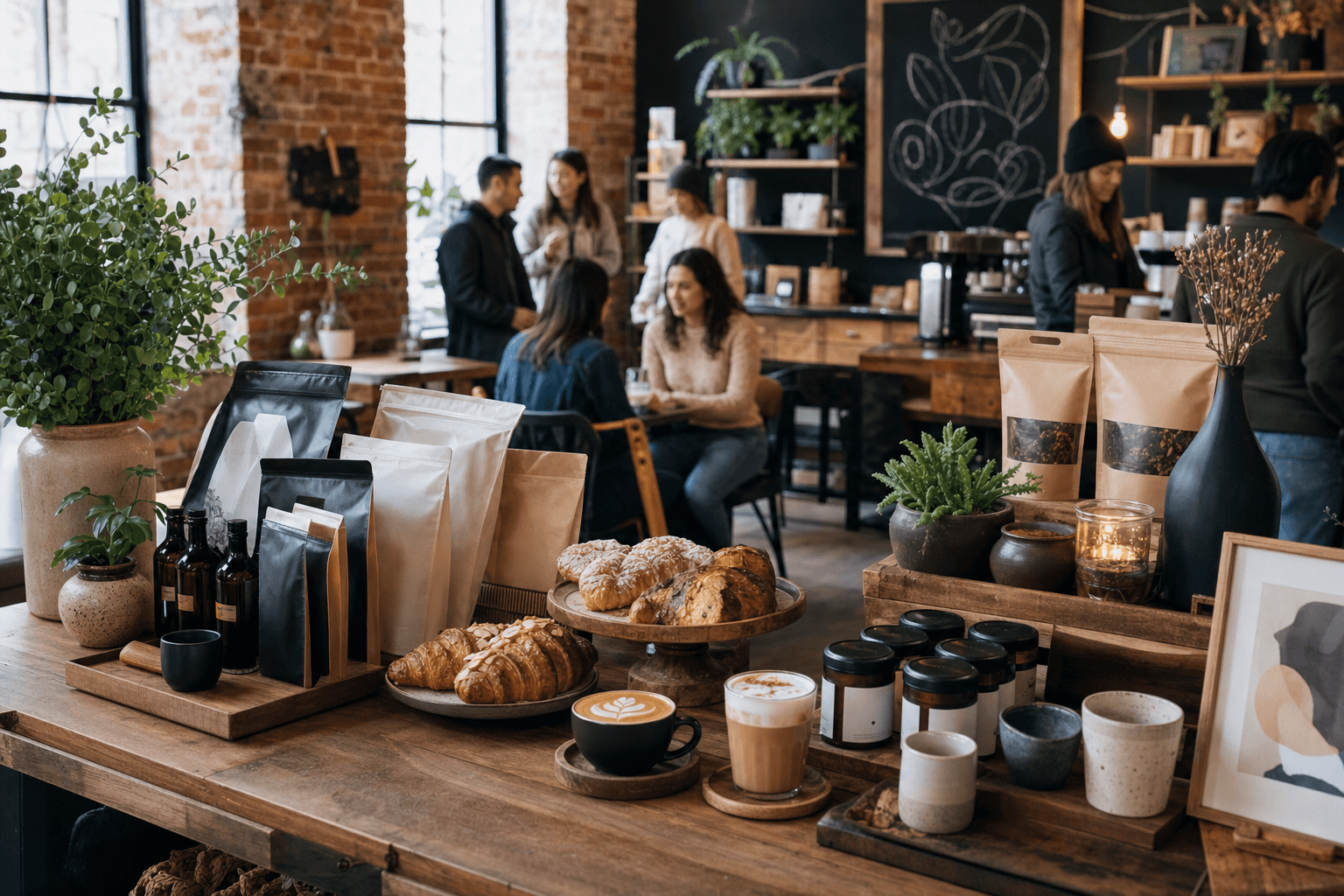
A well-run pop-up or collaboration event can do more for your cafe's reputation in a single afternoon than months of Instagram posts. It draws in new faces, gives regulars a reason to come back, generates genuine word-of-mouth, and — if you plan it right — adds a meaningful bump to your revenue. But "pop-up" doesn't mean improvised. The cafes that pull these off well treat them like a mini business launch: clear concept, solid logistics, smart promotion, and a clean wrap-up.
This guide walks you through the full process, from choosing the right concept to handling the day itself and measuring whether it was worth it.
Why Pop-Ups and Collabs Work for Independent Cafes
Chain coffee shops compete on consistency and convenience. Independent cafes compete on personality, community, and experience. A pop-up or collaboration event is one of the most efficient ways to make that personality tangible.
- Audience sharing: When you partner with a local baker, florist, ceramicist, or roaster, you instantly reach their customer base — people who already spend money on quality local goods and are predisposed to like you.
- Content creation: Events generate photos, stories, and genuine social buzz that regular service days rarely do.
- Menu experimentation: A pop-up is a low-risk way to test a new drink series, a limited food offering, or a price point before committing to it permanently.
- Press and discovery: Local media, food bloggers, and neighborhood newsletters are far more likely to cover an event than a standard "we're open" announcement.
- Loyalty deepening: Regulars who attend events feel like insiders. That feeling keeps them coming back long after the event is over.
Choosing the Right Concept
The best pop-up concepts have two things in common: they make sense for your brand, and they offer something genuinely different from your daily menu. Here are formats that work well for cafes:
Guest Roaster or Barista Takeover
Invite a specialty roaster or a barista from another city to run your espresso bar for a morning. Offer their beans, their signature drinks, maybe a short tasting flight. This works especially well if you have customers who are already curious about specialty coffee — it positions your cafe as a destination, not just a habit.
Food Collaboration
Partner with a local bakery, patisserie, or chef for a limited-run menu. A pastry chef doing a croissant pop-up, a local chocolatier offering a paired tasting, or a chef doing a brunch residency every Sunday for a month — these are all low-overhead ways to expand your food offering without hiring kitchen staff.
Maker Market
Host two or three local makers — ceramics, plants, candles, art prints — in your space on a slow afternoon. You stay open, serve coffee, and take a small vendor fee or percentage. Your cafe becomes a destination, not just a stop.
Workshop or Class
Latte art, home brewing, sourdough baking, flower arranging — ticketed workshops turn your cafe into an experience venue. Ticket revenue covers the instructor and adds margin. Attendees almost always buy coffee and food on top of the ticket price.
Brand Collaboration Launch
Partner with a complementary brand — a local bookshop, a fitness studio, a skincare line — to co-create a limited product or experience. A "read and sip" morning with the bookshop down the street, a post-yoga matcha bar with the studio around the corner. Both parties promote it; both audiences show up.
Finding and Approaching Collaborators
The best collaborators share your values and your customer profile without directly competing with you. Think about who your regulars already love — what other local businesses do they mention, follow on Instagram, or tag in their posts?
When you reach out, be specific. Don't send a vague "would love to collaborate sometime" message. Instead, come with a concrete proposal:
- The event format and date range you have in mind
- What you're offering (your space, your audience, your platform)
- What you're asking from them (product, presence, co-promotion)
- A clear sense of the mutual benefit
Most small business owners are receptive to genuine, well-thought-out pitches. Keep it short, personal, and practical. Follow up once if you don't hear back — people are busy.
Logistics: Planning the Event
The details that seem minor in planning are the ones that cause stress on the day. Work through each of these before you commit to a date.
Space and Layout
Map out where everything goes before the day arrives. If vendors are setting up tables, know exactly where those tables go, where power outlets are, and how foot traffic will flow. Make sure your regular service can still run smoothly alongside the event — don't let the pop-up cannibalize your core operation.
Staffing
Events almost always require more hands than a normal shift. Even if the event itself is low-key, the increased foot traffic and the need to manage vendors, answer questions, and keep the space tidy adds up. Schedule at least one extra person and brief your whole team on the event format, the products being offered, and any special pricing.
Menu and Pricing
Create a clear, simple event menu. If you're running a collaboration drink series, keep it to three or four items — decision fatigue is real, and a focused menu is easier to execute under pressure. Price the event items to reflect their value without being so far above your regular menu that customers hesitate.
A well-designed digital cafe menu makes it easy to spin up a temporary event menu without reprinting anything. You can update it the morning of, add descriptions and photos, and take it down when the event ends.
Permits and Permissions
If you're serving alcohol, having vendors sell products, or hosting an event that significantly changes your space usage, check your local permit requirements. This varies widely by city and state. A quick call to your local business licensing office is worth the twenty minutes it takes.
Ticketing (If Applicable)
For workshops or ticketed tastings, use a simple platform like Eventbrite, Square, or even a Google Form with payment link. Collect emails at sign-up — that list is genuinely valuable for future marketing. Set a realistic capacity and stick to it; an overcrowded event feels chaotic, not popular.
Creating an Event Menu That Works
Your event menu is a marketing asset, not just an operational document. It should reflect the collaboration, tell a small story, and make ordering easy.
If you're doing a guest roaster takeover, name the drinks after the roaster's origin story or their farm relationships. If you're partnering with a local bakery, describe the ingredients and the baker's process in a line or two. These details are what people photograph and share.
Using a digital menu for your event means you can include photos, update items in real time if something sells out, and link directly to your ordering flow. It also means customers can browse before they reach the counter, which speeds up service when the line gets long.
Consider adding a QR code to your event signage, table cards, and any printed promotional materials. A QR code menu lets customers pull up your event offerings on their phones without crowding the counter — especially useful if your space gets busy.
Promoting the Event
Promotion should start at least two weeks out for a small event, four to six weeks out for anything with tickets or significant logistics. Here's a practical timeline:
Two to Four Weeks Out
- Announce on Instagram and your Google Business Profile with a clear date, time, and what makes it special
- Ask your collaborator to cross-post to their audience on the same day
- Send an email or SMS to your existing customer list — these are your most likely attendees
- Reach out to local food bloggers, neighborhood newsletters, and community Facebook groups
One Week Out
- Post a behind-the-scenes look at prep — product arrivals, menu development, space setup
- Share a countdown or "limited spots remaining" reminder if it's ticketed
- Brief your staff so they can tell customers in person
Day Of
- Post a morning story or reel showing the setup
- Tag your collaborator in everything
- Encourage staff to share on their own accounts if they're comfortable
Don't underestimate in-store promotion. A simple A-frame sign outside, a notice on your counter, and a mention on your receipts or packaging can drive significant walk-in traffic from people who weren't following you online.
Running the Day Smoothly
Even the best-planned events hit snags. The goal isn't perfection — it's resilience. A few things that make the day go better:
- Hold a five-minute team huddle before doors open. Make sure everyone knows the event menu, the pricing, and who to go to if something goes wrong.
- Designate one person as the event point of contact. They handle vendor questions, signage issues, and anything that comes up — so your baristas can focus on service.
- Keep the regular menu running. Not every customer who walks in during your pop-up is there for the event. Make sure your standard drinks and food are still available and clearly signposted.
- Document everything. Assign someone to take photos and short videos throughout the day. You'll use this content for weeks afterward.
- Capture emails. Have a simple sign-up sheet, a QR code linking to a form, or a fishbowl for business cards. Every email you collect is a future customer you can reach directly.
After the Event: Follow-Up and Measurement
The event isn't over when the last customer leaves. What you do in the 48 hours after determines how much long-term value you extract from it.
Thank Your Collaborator Publicly
Post a genuine thank-you on social media, tag them, and share highlights. This cements the relationship for future events and gives both audiences a reason to follow each other.
Follow Up With Attendees
If you collected emails, send a short follow-up within 24 hours. Thank them for coming, share a photo from the day, and give them a reason to return — a sneak peek at what's next, a small loyalty perk, or just a warm note. This is where email and SMS marketing pays off in a way that social media never quite can.
Measure What Mattered
Look at the numbers honestly. Compare your revenue, transaction count, and average ticket for the event period against a comparable normal day. Track new followers gained, emails collected, and any press or mentions you received. This data tells you whether the format worked and what to do differently next time.
Debrief With Your Team
Ask your staff what worked and what was frustrating. They were on the ground — they noticed things you didn't. A fifteen-minute debrief conversation is worth more than any post-mortem spreadsheet.
Making Pop-Ups a Recurring Strategy
The most successful independent cafes don't treat pop-ups as one-off stunts. They build them into their marketing calendar as a regular cadence — maybe one per quarter, or one per season, timed around local events, holidays, or slow periods that need a traffic boost.
Over time, your audience starts to anticipate them. Regulars bring friends. Collaborators refer you to their networks. Local media starts paying attention because there's always something happening at your place. That reputation compounds.
If you're building out your annual marketing calendar, consider mapping your pop-up events alongside your seasonal menu changes, local festivals, and community moments. A structured approach to the year makes it far easier to plan ahead and avoid the scramble of last-minute promotion.
Frequently Asked Questions
How much does it cost to run a cafe pop-up event?
Costs vary widely depending on the format. A simple guest barista takeover might cost you nothing beyond an extra staff member and some promotional materials. A ticketed workshop with an outside instructor might run $200–$500 in upfront costs, which ticket sales should cover and then some. Maker markets can be revenue-positive if you charge a vendor fee. Start small, keep overhead low, and scale up once you know what resonates with your audience.
How do I find good collaborators for my cafe?
Start with businesses your regulars already love. Look at who your customers tag on Instagram, what they mention in conversation, and which local makers or food producers you personally admire. Approach them with a specific, mutually beneficial proposal — not a vague "let's do something together." The best collabs happen between businesses that genuinely respect each other's work.
Do I need a special permit to run a pop-up event in my cafe?
It depends on your location and what the event involves. Serving alcohol, allowing vendors to sell products, or significantly altering your space usage may require permits or approval from your landlord. Check with your local business licensing office and review your lease before committing to an event format that changes how your space is used.
How do I handle the menu for an event without reprinting everything?
A digital menu is the easiest solution. You can create a separate event menu, update it in real time, and link to it via a QR code on your signage and table cards. When the event ends, you take it down — no wasted print materials, no reprinting costs. MenuHoster makes this straightforward with templates designed for exactly this kind of quick update.
What's the best way to promote a cafe pop-up to people who don't already follow me?
Your collaborator's audience is your best untapped resource — make sure they're actively promoting the event to their followers, not just reposting your content. Beyond that, local food bloggers, neighborhood newsletters, community Facebook groups, and your Google Business Profile are all highly effective for reaching people who are nearby but not yet in your orbit. In-store signage also captures foot traffic that social media never reaches.
Ready to make your next event effortless to manage? MenuHoster's digital menu platform lets you spin up a beautiful event menu in minutes, share it via QR code, and update it on the fly — no design skills or reprinting required. See our plans and get started free so your next pop-up is as polished on the menu as it is in the cup.
MenuHoster Team
Helping restaurants go digital