How to Market a Restaurant Grand Opening on a Budget
Updated:
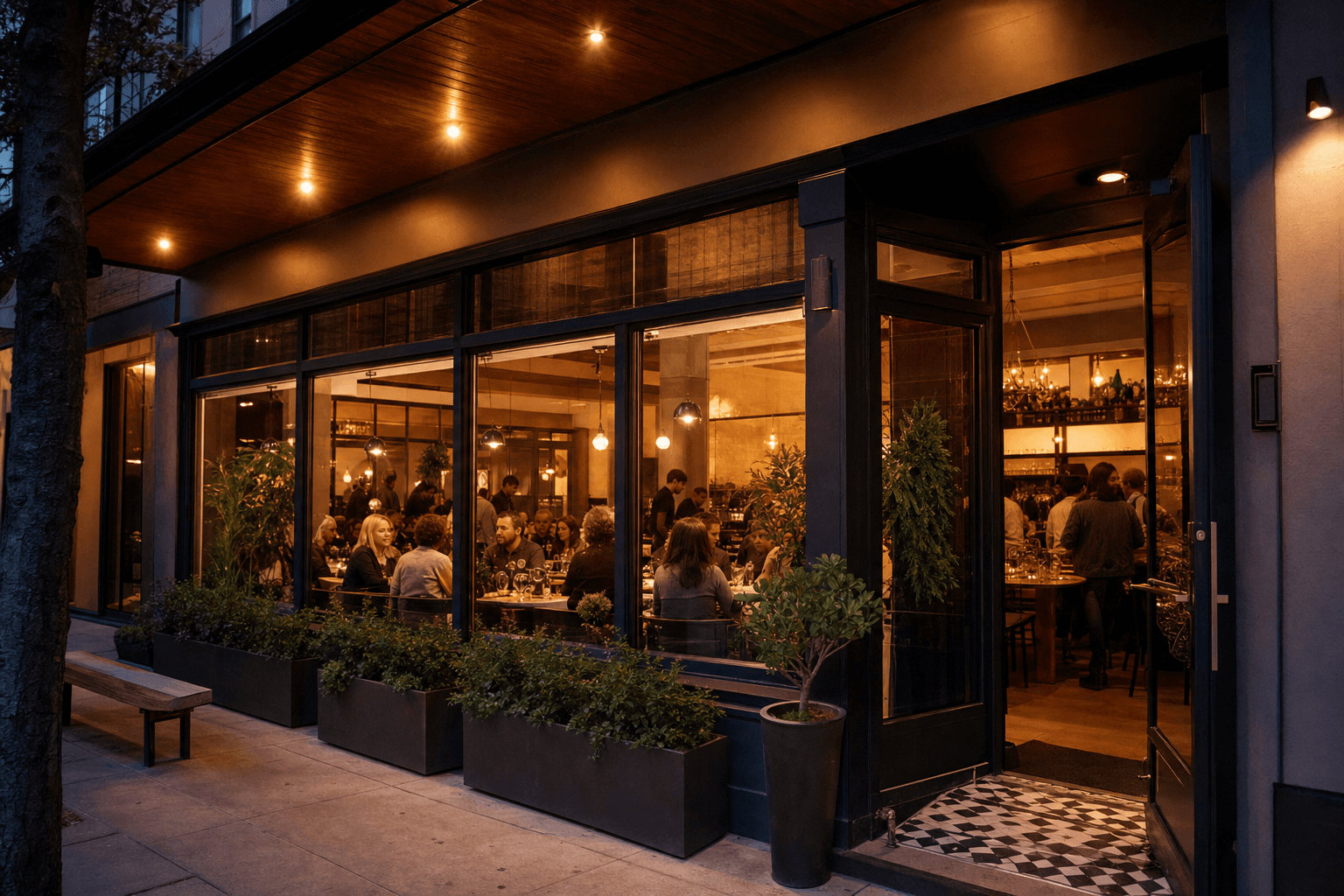
Opening a restaurant is expensive enough before you spend a single dollar on marketing. Between equipment, build-out, permits, and initial food costs, most independent operators arrive at launch day with a tight—sometimes terrifyingly tight—budget left over for promotion. The good news: a packed opening week doesn't require a big agency or a five-figure ad spend. It requires smart timing, the right free and low-cost channels, and a clear message that travels by word of mouth.
This guide walks you through a practical, sequenced marketing plan you can execute yourself, starting about six weeks out and running through your first month of operation.
Start Marketing Six Weeks Before You Open
The single biggest mistake new restaurant owners make is waiting until the week of opening to tell anyone about it. By then, you've lost the window to build anticipation, collect email addresses, or get a local press mention that runs in time to matter. Six weeks gives you enough runway to do all three without rushing.
Claim and complete your Google Business Profile immediately
Your Google Business Profile (GBP) is free and it's often the first thing a potential guest sees. Claim it, verify it, and fill out every field: hours, address, phone, website, cuisine type, and photos. Upload at least five to ten high-quality photos of your space and food before you open. Set your status to "Opening Soon" so it appears in local searches. This costs nothing and starts building your search footprint weeks before day one.
Build a simple online presence now
You don't need a custom-built website before you open. What you do need is a page that answers the three questions every potential guest has: What kind of food is it? Where is it? When does it open? A hosted menu page that doubles as a web presence is enough to start. Make sure your digital menu is live and shareable so early followers can browse your food before they ever walk in the door. Seeing the actual menu—with prices and descriptions—converts curious people into confirmed first visitors far better than a pretty "coming soon" page with no information.
Start an email list on day one of construction
Put a simple sign-up sheet at the construction site window, add a QR code linking to a sign-up form on your social profiles, and ask every vendor, contractor, and neighbor who comes through to join. Even 100 email addresses before opening gives you a warm audience you own—one that no algorithm can take away from you.
Use Social Media Strategically, Not Frantically
You don't need to be on every platform. Pick one or two where your target customers actually spend time. For most independent restaurants, Instagram and Facebook are the practical choices. TikTok is worth considering if you're willing to post short videos consistently.
Document the build-out
Behind-the-scenes content performs well and costs nothing to produce. Post photos and short videos of the space coming together, the first delivery of equipment, the menu being finalized, the chef testing dishes. This kind of content builds a genuine connection with your future regulars before you've served a single plate. It also gives the algorithm something to work with before your opening day posts go live.
Tease the menu with real photos
You don't need a professional photographer for every shot. A phone with decent lighting and a clean background is enough for social media. Post two or three hero dishes in the weeks leading up to opening. Write captions that describe the dish specifically—not "our amazing pasta" but "house-made tagliatelle with a 4-hour Bolognese and aged Parmigiano, available at dinner from day one." Specificity creates appetite. Vagueness doesn't.
Use location tags and local hashtags consistently
Tag your city, neighborhood, and street in every post. Use local hashtags like #[YourCity]Eats or #[Neighborhood]Food. Follow and engage with local food accounts, neighborhood groups, and community pages. This is the organic version of local targeting—slow but free.
Local Press and Community Outreach
Local media coverage still drives real foot traffic, especially for a grand opening. The key is pitching the right angle to the right person at the right time.
Write a short, factual press release
Keep it to one page. Lead with the most interesting thing about your restaurant—the concept, the chef's background, a unique ingredient source, a community angle. Include the opening date, address, hours, and a link to your menu. Send it to the food editor of your local newspaper, any neighborhood blogs or newsletters, and local TV morning shows that do "new restaurant" segments. Send it three to four weeks before opening so they have time to schedule coverage.
Reach out to local food bloggers and micro-influencers
You don't need someone with 100,000 followers. A local food blogger with 3,000 engaged local followers is worth more to you than a national account with a million followers in other cities. Offer a complimentary soft opening dinner for two in exchange for an honest post. Be clear that you're not paying for a positive review—just for their time and a genuine write-up. Most local food writers appreciate the transparency.
Partner with neighboring businesses
Introduce yourself to every business within a two-block radius. Leave a small stack of menus or a flyer at the front desk of the gym, the nail salon, the dry cleaner, the bookstore. Offer a reciprocal arrangement—you'll display their cards if they display yours. These hyper-local partnerships cost nothing and reach exactly the kind of repeat-visit customer you want.
Run a Soft Opening Before the Grand Opening
A soft opening is one of the most underused marketing tools available to new restaurants. It lets you work out service kinks before the stakes are highest, and it creates a natural "insider" moment that people love to share.
Invite your warm list first
Your email list, your social followers, your neighbors, your vendors—these are the people who should get first access. Frame it as an exclusive preview, not a test run (even though it is both). Guests who feel like insiders become your most vocal advocates. They'll post about it, tell their friends, and come back for the real opening.
Collect feedback, not just compliments
During the soft opening, actively ask guests what confused them, what was slow, and what they'd change. This is free market research that will make your grand opening significantly smoother. A common mistake is running a soft opening purely for the goodwill and ignoring the operational data it generates.
Make Your Menu Work as a Marketing Tool
Most restaurant owners think of the menu as an operational document. Smart ones treat it as a marketing asset. Your menu is often the first detailed impression a potential guest gets of your restaurant—it should sell the experience before they arrive.
A well-structured online restaurant menu with good descriptions, clear categories, and real photos does more conversion work than most paid ads. Make sure it's mobile-friendly, loads fast, and is easy to share via a link or QR code.
Speaking of QR codes—print them on every piece of marketing material you produce: flyers, table cards, window clings, even the back of your business card. A QR code menu lets curious passersby browse your food instantly, right from the sidewalk, before they've even decided to come in. That frictionless preview is a proven conversion tool for new restaurants.
Grand Opening Day Tactics That Don't Cost Much
The day itself should be an event, not just a first day of service. Here's what works without a big budget:
- Offer a simple opening-week incentive. A free appetizer with any entrée, a complimentary dessert for the first 50 guests, or a small discount on the first visit. Keep it simple and time-limited. The goal is to lower the barrier for that first visit, not to train customers to expect discounts forever.
- Create a shareable moment. A photo-worthy wall, a signature dish with a striking presentation, a custom cocktail with a clever name tied to your neighborhood—something guests will photograph and post. User-generated content from opening day is free advertising that lands in local feeds.
- Ask for reviews immediately. Train your staff to mention Google reviews to satisfied guests on opening day. A simple "We'd really appreciate it if you left us a review on Google—it helps us out enormously as a new restaurant" works. Don't wait until you have a hundred reviews to ask. Start on day one. Reviews accumulate over time and become one of your most durable marketing assets.
- Go live on social media. A short Instagram or Facebook Live during the opening rush—even five minutes of the dining room full and the kitchen firing—costs nothing and creates real-time FOMO for people who aren't there yet.
Set Up Online Ordering Before You Open
If you plan to offer takeout or delivery, have your ordering system live before your grand opening—not two weeks after. Guests who discover you during opening week and want to order online will go elsewhere if the option isn't there. And third-party delivery platforms take 20–30% commissions that eat directly into your already-thin launch margins.
Consider setting up zero-commission online ordering from the start so that every online order goes directly to you, not to a platform. Promote your direct ordering link on your social profiles, your Google Business Profile, and your email list. Tell guests explicitly: "Order directly from us and skip the fees." Many customers prefer it once they know the option exists.
Keep the Momentum After Opening Week
A grand opening is a starting gun, not a finish line. The restaurants that sustain early buzz are the ones that have a plan for weeks two through eight, not just day one.
Send a follow-up email within 48 hours
Thank everyone who came, share a highlight or two from opening day, and include a reason to come back—a new weekly special, an upcoming event, or simply a reminder of your hours. This email will have a high open rate because the audience is warm and engaged. Use it.
Post consistently, not constantly
Three to four posts per week on your primary social channel is sustainable and effective. One to two posts per week is fine if that's all you can manage. Posting every day for two weeks and then going silent is worse than a steady, modest cadence. Consistency signals to both the algorithm and your audience that you're a real, operating business.
Build toward a loyalty program
Even a simple punch card or digital loyalty program started in your first month gives you a mechanism to bring guests back. Repeat customers are dramatically cheaper to retain than new ones are to acquire. Getting someone to visit four times in their first two months is the difference between a one-time curiosity and a regular.
Frequently Asked Questions
How far in advance should I start marketing my restaurant opening?
Six weeks is a practical minimum. It gives you enough time to build a social media following, get on local press radars, collect email sign-ups, and run a soft opening before your grand opening date. Starting earlier is fine; starting later means you're scrambling.
Do I need to spend money on paid social ads for a grand opening?
Not necessarily. Organic local outreach, a complete Google Business Profile, and consistent social media content can drive meaningful foot traffic without paid ads. If you do have a small budget for ads—even $5–10 per day for two weeks leading up to opening—Facebook and Instagram local awareness ads can be effective. But they're a supplement to organic work, not a replacement for it.
What's the most important thing to have ready before my grand opening?
Your online presence and your menu. Specifically: a complete Google Business Profile, a shareable digital menu with real photos and descriptions, and a way for guests to find your hours and location easily from their phone. Everything else is secondary. If people can't find basic information about you online, all your other marketing efforts are wasted.
Should I do a soft opening before the grand opening?
Yes, strongly recommended. A soft opening lets you identify service bottlenecks, train staff under real conditions, and generate word-of-mouth before the higher-stakes grand opening. It also gives you a reason to contact your warm audience twice—once for the soft opening invite and once for the grand opening announcement.
How do I get press coverage without a PR budget?
Write a concise, factual press release with a genuine news angle—your concept, your background, a community connection, or something unique about your menu—and send it directly to the food editor of your local newspaper and any neighborhood newsletters or blogs. Follow up once by email. Local media, especially smaller outlets, are often looking for exactly this kind of story and don't require you to have a publicist.
Ready to give your grand opening the online presence it deserves? MenuHoster lets you build a professional digital menu, set up direct online ordering with zero commissions, and create a shareable web presence—all in one place, without needing a developer or a big budget. Get set up before your opening day and give every curious passerby a reason to walk through your door.
MenuHoster Team
Helping restaurants go digital