How to Run a Profitable Happy Hour Promotion
Updated:
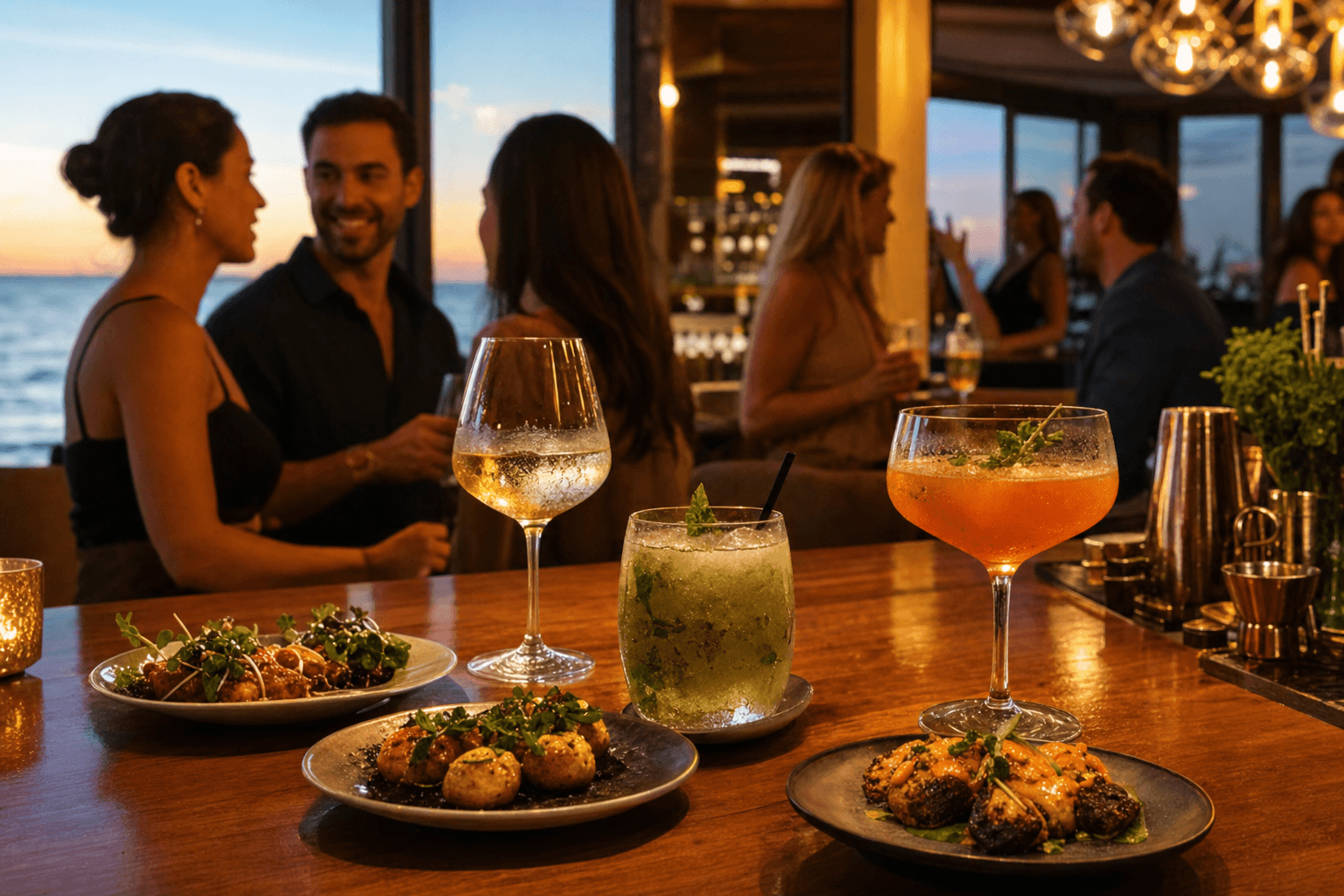
Happy hour is one of the oldest tricks in the restaurant playbook—and one of the most misused. Done right, it fills seats during a dead window, lifts average check sizes, and turns first-timers into regulars. Done wrong, it just discounts your way to a thinner margin without building any lasting loyalty.
This guide walks you through every decision you need to make: timing, menu curation, pricing mechanics, staffing, and promotion. No fluff—just a practical framework you can apply this week.
Why Most Happy Hours Fail
Before building your promotion, it helps to understand the common failure modes:
- Discounting too broadly. Slashing prices on your top-margin items feels generous but destroys profitability. A 30% discount on a $14 cocktail with a $4 pour cost turns a solid margin into a near-breakeven transaction.
- No food attachment. Drinks-only happy hours attract bargain hunters who leave the moment prices go back up. Food keeps people at the table longer and increases total spend.
- Wrong timing. Running happy hour from 5–7 PM when your kitchen is already slammed for dinner service creates chaos and poor execution.
- Poor promotion. If only your regulars know about it, you're rewarding people who would have come anyway instead of acquiring new customers.
- No clear end signal. Without a defined close to the promotion, guests linger expecting ongoing deals, and your staff spends energy managing the transition instead of serving dinner.
Fix these structural problems first, and the rest becomes much easier.
Choosing the Right Time Window
The ideal happy hour fills a genuine slow period without cannibalizing profitable service. For most full-service restaurants and bars, that means:
- Tuesday through Thursday, 3–6 PM — captures the post-work crowd before the dinner rush.
- Sunday 2–5 PM — a notoriously slow window that responds well to promotions.
- Monday all-day or evening — the slowest night of the week for most restaurants; deep discounts are easier to justify because you're filling otherwise empty seats.
Avoid Friday and Saturday evenings. You don't need to buy traffic you'd get anyway, and discounting on your highest-volume nights is a fast way to erode your weekly margin.
Keep the window tight—two to three hours maximum. A shorter window creates urgency. A six-hour "happy hour" just trains customers to expect cheap prices all afternoon.
Building a Happy Hour Menu That Protects Margin
Your happy hour menu is not a subset of your regular menu with prices crossed out. It should be a deliberately curated selection designed to drive volume at acceptable margins.
Drinks: Work Backward from Pour Cost
Start with your pour cost targets. Most bars aim for 18–22% pour cost on cocktails and 25–30% on wine by the glass. During happy hour, you can afford to let that drift to 28–35%—but only if food attachment is high enough to compensate.
Practical tactics:
- Feature house cocktails made with well spirits, not premium bottles. A $7 house margarita at a $2.50 pour cost is a better happy hour vehicle than a $9 premium version at a $4.50 pour cost.
- Offer a rotating "feature beer" at a flat price—usually a draft with a favorable keg cost.
- Sell wine by the glass from a house pour, not your best-margin bottles.
- Consider a flat-price deal ("$6 drinks, $5 drafts") rather than percentage discounts. Flat prices are easier to communicate and easier to ring correctly under pressure.
Food: Think Incremental Revenue, Not Full Plates
Happy hour food should be designed to be made quickly, portioned for snacking (not replacing a meal), and priced to encourage multiple orders per table. Small plates, shareables, and bar snacks work better than half-price entrées.
Good candidates:
- Items with low food cost that your kitchen can execute fast: wings, fries, flatbreads, tacos, sliders.
- Items that pair naturally with drinks and encourage another round.
- One or two items that showcase your kitchen's identity—not just generic bar food.
Avoid putting high-labor items on the happy hour menu. If a dish takes 18 minutes to plate and requires your best line cook, it doesn't belong in a high-volume, fast-turn promotion window.
A well-designed happy hour menu also gives you a chance to test new items at low risk. If a new small plate moves well during happy hour, you have data to support adding it to your main menu. For more on structuring a menu to drive profitability, see our guide on building a restaurant menu that works.
Pricing Mechanics That Actually Work
There are three common pricing structures for happy hour, each with different trade-offs:
1. Flat Reduced Prices
Set specific prices for specific items. "$6 house cocktails. $5 drafts. $4 well shots. $7 flatbreads." This is the clearest option for guests and the easiest for staff to execute correctly. It's also the easiest to communicate on a digital menu or promotional signage.
2. Percentage Discounts
"20% off all drinks and appetizers." Easier to set up in your POS, but harder for guests to understand at a glance, and harder to promote compellingly. Avoid unless your POS makes flat pricing complicated.
3. Bundle Deals
"$20 gets you two cocktails and a shared plate." Bundles are excellent for increasing average check and encouraging food attachment. They also make it easier to control your cost per transaction. The downside is complexity—make sure your staff can explain the deal clearly and your POS can ring it without friction.
Whatever structure you choose, print it clearly. Ambiguity at the bar creates disputes, slows service, and frustrates staff. A clean, scannable happy hour menu—whether on a table card or a QR code—removes that friction entirely.
Staffing for Happy Hour Service
Happy hour creates a specific operational challenge: you need to handle a volume spike during what is otherwise a transition period between afternoon and dinner service. Under-staffing this window is one of the most common execution mistakes.
- Schedule a dedicated bar back for the happy hour window if volume warrants it. The bar should never be waiting on glass replenishment during peak happy hour.
- Pre-batch high-volume cocktails. If your house margarita is the feature drink, make a pitcher's worth of mix before service starts. Speed matters more during happy hour than during dinner.
- Brief your staff on the deals before every shift. Every server and bartender should be able to recite the happy hour menu from memory. Guests who have to wait for their server to look up the specials are already annoyed.
- Set a clear close protocol. At 6 PM (or whenever your window ends), the transition should be seamless. Guests already seated keep their current round at happy hour pricing; new orders shift to regular pricing. Communicate this calmly and proactively.
Promoting Your Happy Hour Effectively
A great happy hour that nobody knows about is just a quiet discount program for your existing regulars. Promotion is where most independent operators underinvest.
In-House Promotion
Start with the guests already in your building. Table cards, a chalkboard near the entrance, and a note on your digital menu all work. Train your staff to mention happy hour to lunch guests: "We do happy hour Tuesday through Thursday starting at 3—come back if you're nearby."
Google Business Profile
Update your Google Business Profile to list your happy hour hours. Use the "Posts" feature to publish a weekly happy hour post with your specials. This shows up directly in local search results and Google Maps—free, high-intent visibility. For a full breakdown on local search, see our digital menu resources or check out a dedicated local SEO guide.
Instagram and Facebook
Post your happy hour menu every week, ideally with a photo of the feature drink or plate. Short-form video (Reels) of a bartender making the feature cocktail consistently outperforms static images. Keep it simple and repeatable—you don't need a full production shoot, just decent lighting and a steady hand.
Email List
If you have an email list, a weekly "This week's happy hour" email is one of the highest-ROI things you can send. It takes five minutes to write and keeps your regulars engaged. If you don't have an email list yet, building one should be a near-term priority—it's the only marketing channel you fully own.
Neighborhood Partnerships
Identify offices, gyms, and retail businesses within a five-minute walk. Drop off a stack of happy hour cards with a QR code linking to your menu. A small "bring this card, get a free appetizer on your first visit" offer makes it easy for those businesses to share it with their staff.
Using a Digital Menu to Make Happy Hour Easier
One underrated operational win: a digital menu makes it trivial to switch your happy hour specials on and off without reprinting anything. You can schedule your happy hour menu to go live at 3 PM and revert at 6 PM automatically, display it on a QR code at every table, and update the featured items week to week without any design work.
This matters because variety keeps happy hour fresh. If you run the same four specials every week for a year, even your most loyal regulars stop being excited about it. A rotating feature drink or a weekly "chef's happy hour bite" gives people a reason to come back and something to post about. With a QR code menu, those updates take minutes, not days.
If you're also taking orders through your happy hour (takeout or delivery of your specials), a commission-free setup means you keep more of every transaction. Learn more about zero-commission ordering and how it applies to promotions like happy hour.
Measuring Whether It's Working
Run your happy hour for four weeks before drawing conclusions. Track these metrics weekly:
- Cover count during the happy hour window vs. the same window before you launched the promotion.
- Average check per cover during happy hour. If it's below $18–20 per person, your food attachment is too low.
- Pour cost and food cost for the happy hour items specifically. Your POS should let you pull this by item category and time window.
- Conversion to dinner seating. What percentage of happy hour guests stay for dinner or return within the next two weeks? This is the long-term value metric—happy hour should be a funnel, not just a discount event.
If cover count is up but average check is too low, add a bundle deal or push food harder. If margins are fine but you're not getting new faces, invest more in promotion. If the promotion is losing money outright after four weeks, narrow the window or trim the menu before scrapping it entirely.
Legal and Compliance Considerations
Happy hour regulations vary significantly by state and municipality. Some jurisdictions prohibit discounted alcohol entirely. Others restrict advertising drink specials, require food to be available alongside alcohol, or limit the duration of promotions. Before you launch:
- Check your state's ABC (Alcohol Beverage Control) regulations for happy hour rules.
- Confirm whether your liquor license has any conditions that restrict promotional pricing.
- If you're in a state with restrictions, consult a local restaurant attorney or your state restaurant association—it's a one-hour conversation that can save you a license suspension.
Frequently Asked Questions
What's a realistic revenue lift from a well-run happy hour?
Most independent operators who run a structured happy hour—with food attachment, tight timing, and active promotion—report a 15–30% increase in revenue during the promoted window compared to the same period before the promotion. The bigger long-term gain is new customer acquisition: guests who come for happy hour and return for dinner or weekend visits at full price.
Should I offer happy hour discounts on food or just drinks?
Both, but structure them carefully. Drink discounts drive traffic; food discounts increase per-table spend and keep guests longer. The combination produces better outcomes than either alone. Focus your food discounts on high-volume, low-labor items with reasonable food cost—not your most complex or expensive dishes.
How do I handle guests who try to order happy hour prices after the window closes?
Set a clear policy and train your staff to enforce it consistently and politely. A simple script helps: "Happy hour just wrapped up at 6—I'm sorry about that! Here's our regular menu." If a guest is already mid-order when the window closes, use your judgment on a case-by-case basis, but don't make exceptions loudly in front of other tables.
Can I run a happy hour without a full bar license?
Yes. Beer-and-wine licenses support happy hour promotions on those categories. Some restaurants run successful happy hours focused entirely on food—half-price appetizers, small plates, or a specific shareable menu—without any alcohol component. This works especially well for lunch-focused cafes or family restaurants.
How often should I change my happy hour menu?
A rotating feature item monthly keeps things fresh without creating operational complexity. Your core happy hour items (house cocktail, draft beer, a snack or two) can stay consistent for a full season. The rotation gives regulars a reason to come back and gives you something new to post about every few weeks.
Ready to make your happy hour easier to manage and promote? MenuHoster's digital menu platform lets you schedule happy hour menus, update specials in seconds, and share them instantly via QR code—no reprinting, no design work, no extra cost. See our pricing and get your happy hour menu live today.
MenuHoster Team
Helping restaurants go digital